October 10, 2025 – October 13, 2025 Parco di Porta Capena, Rome, Italy
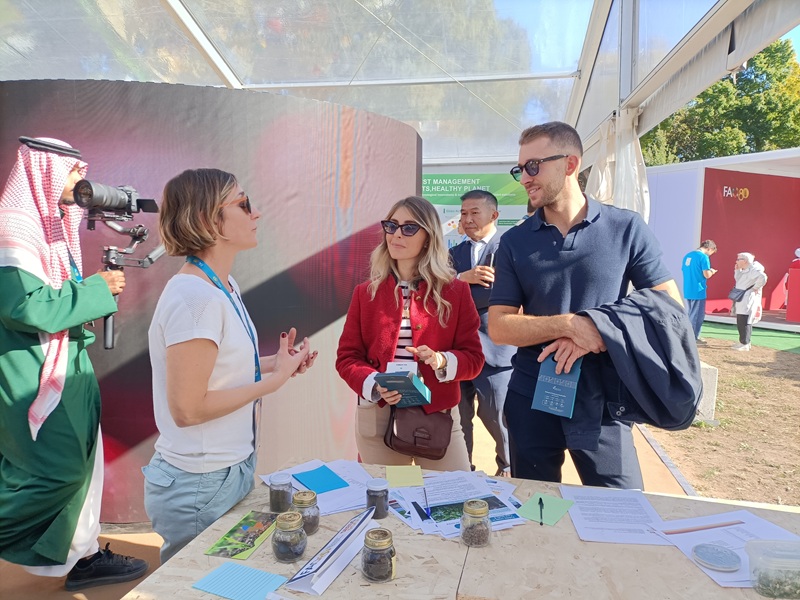
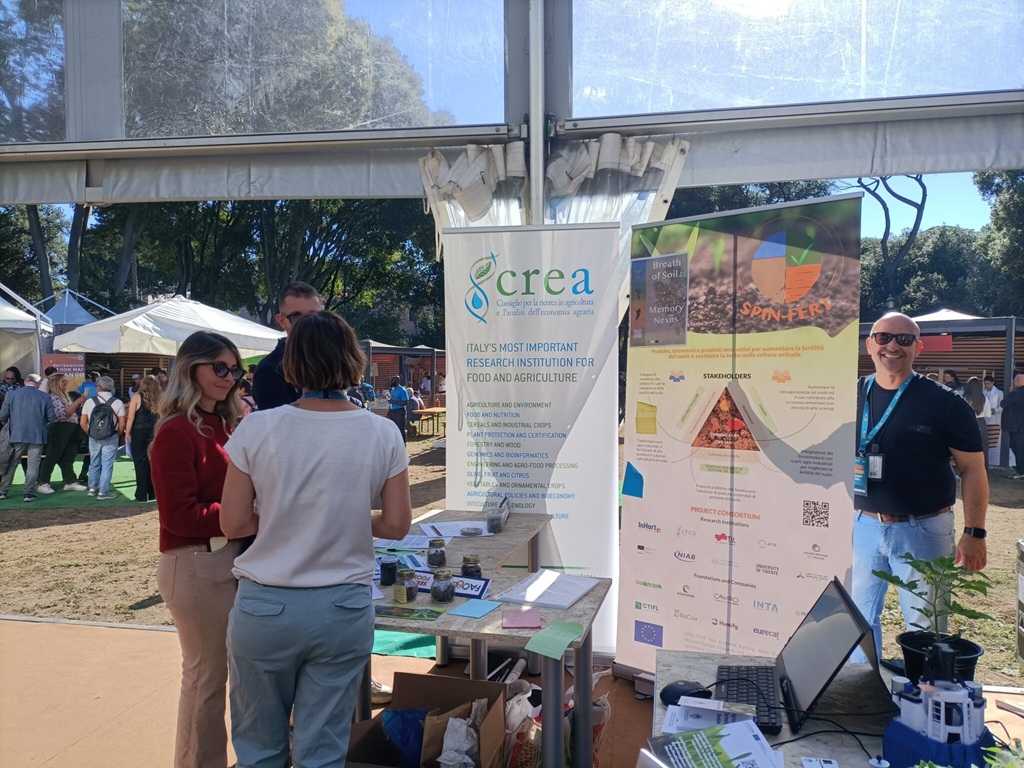
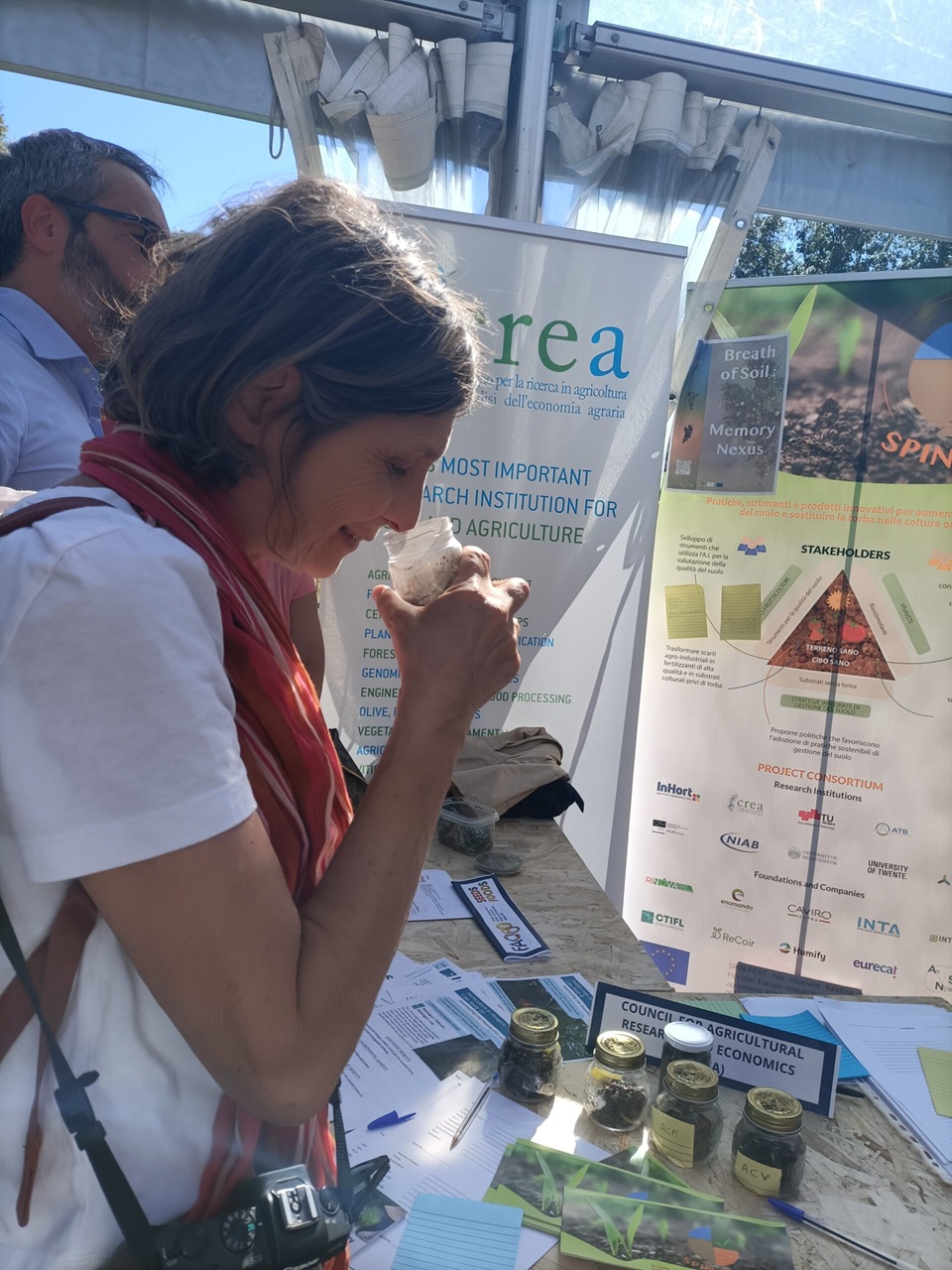
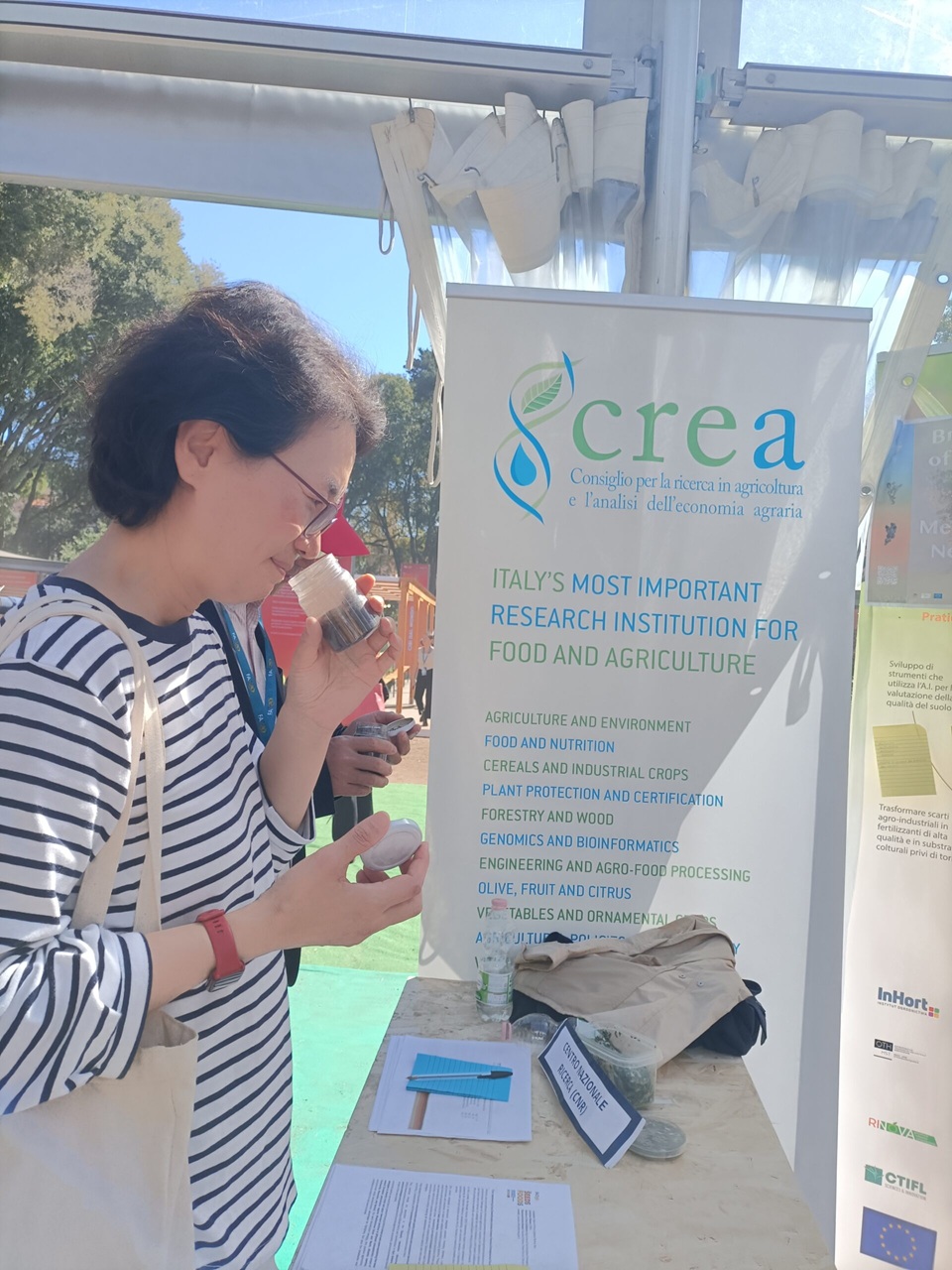
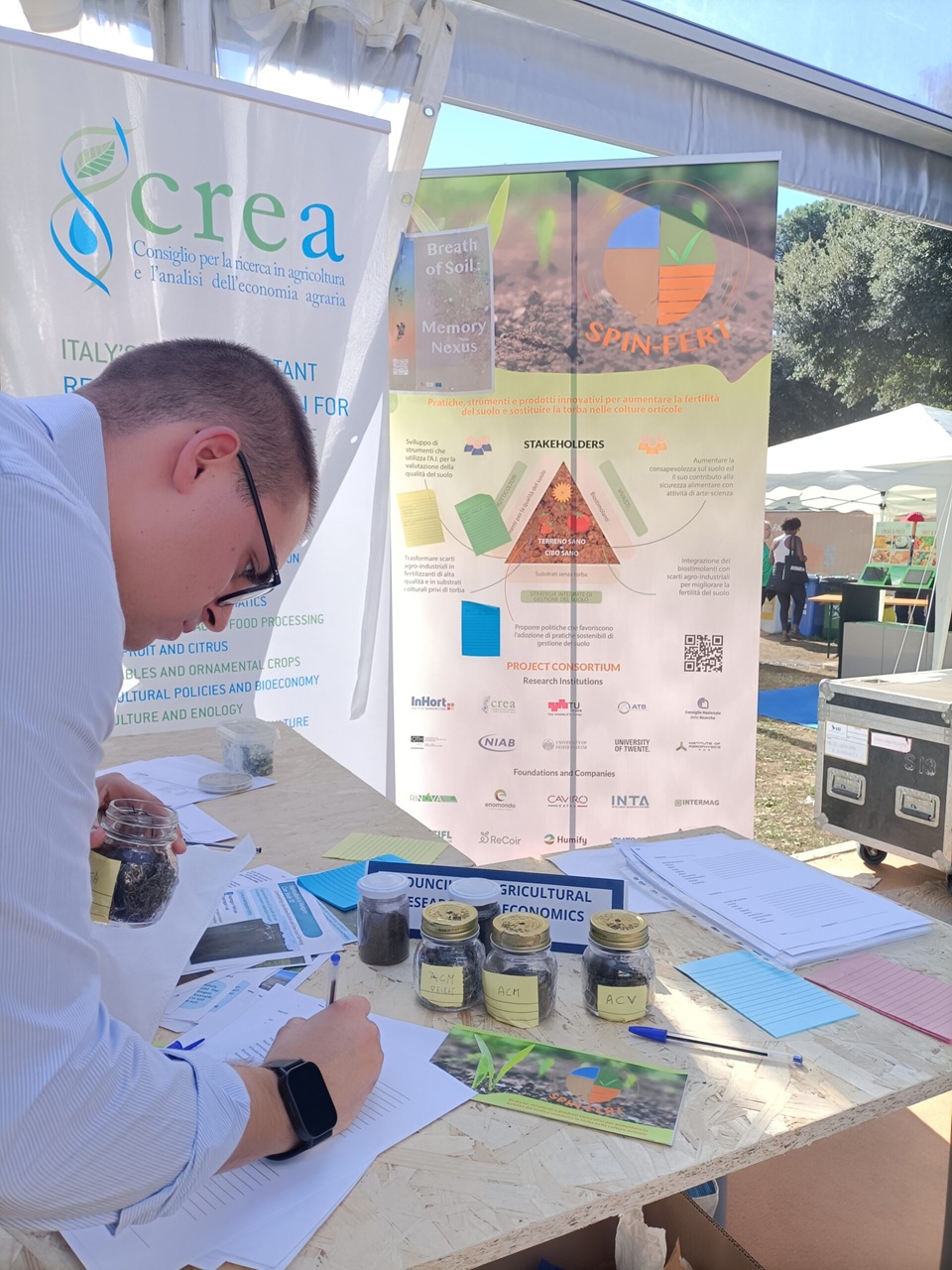
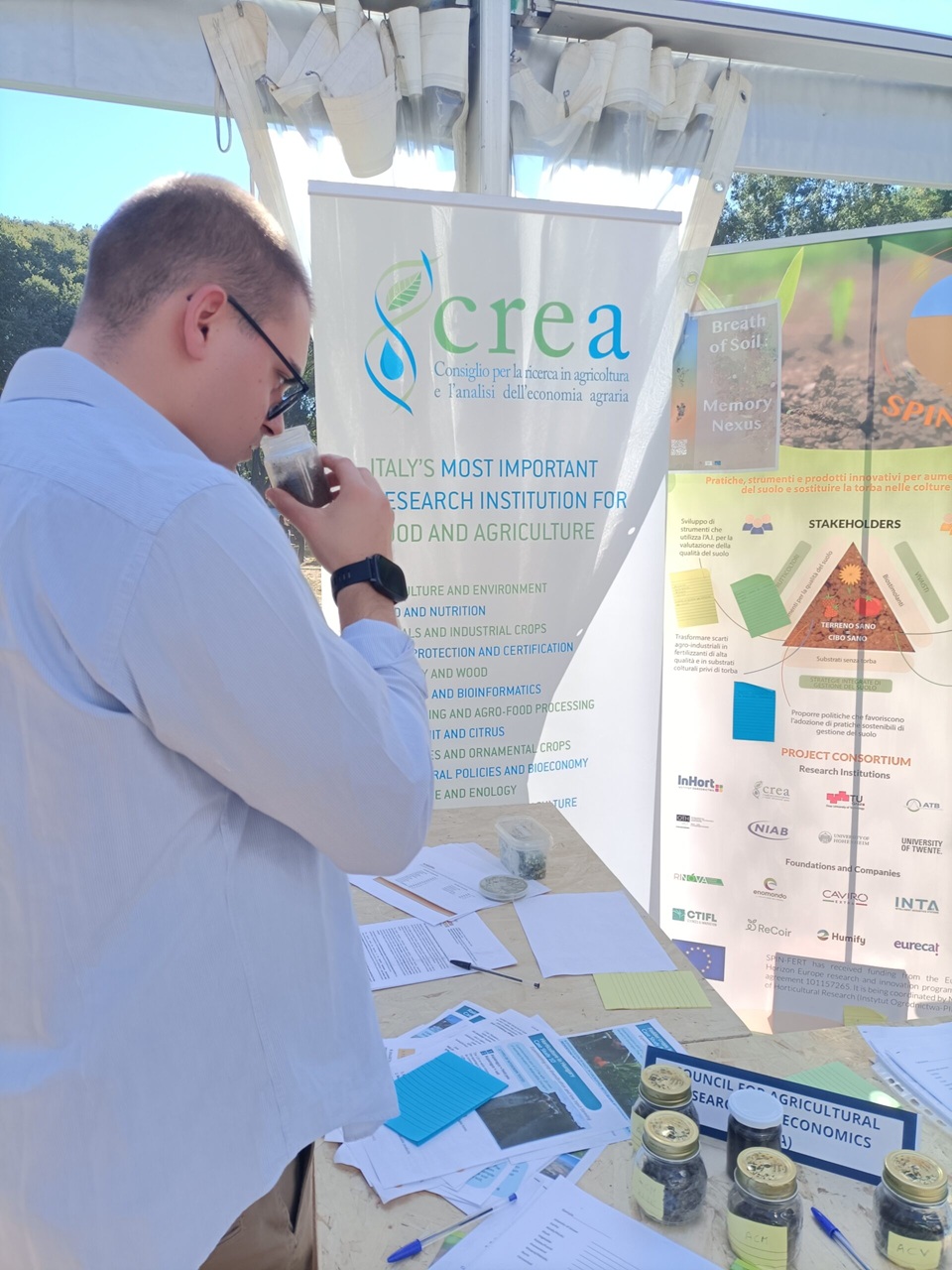
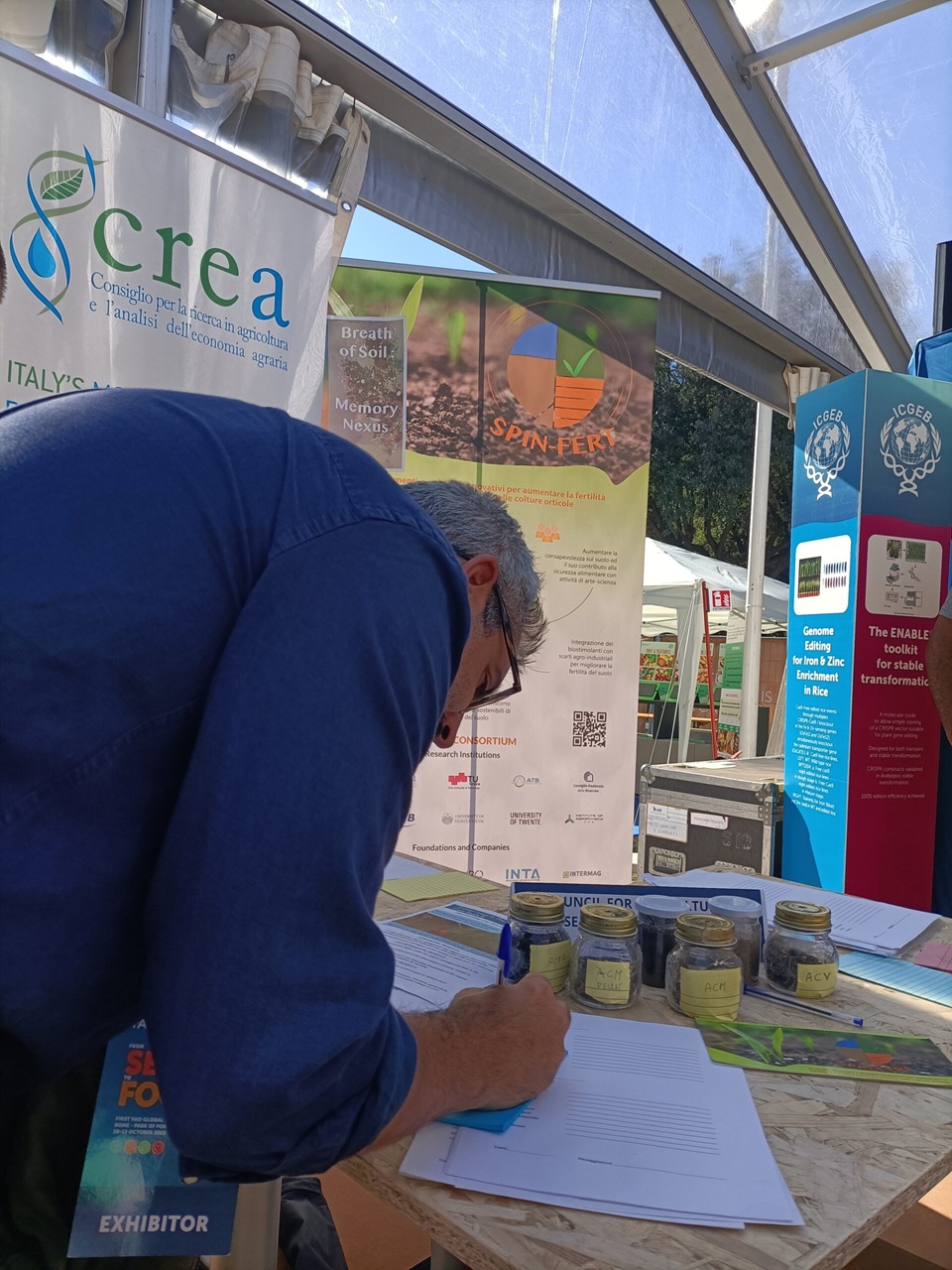
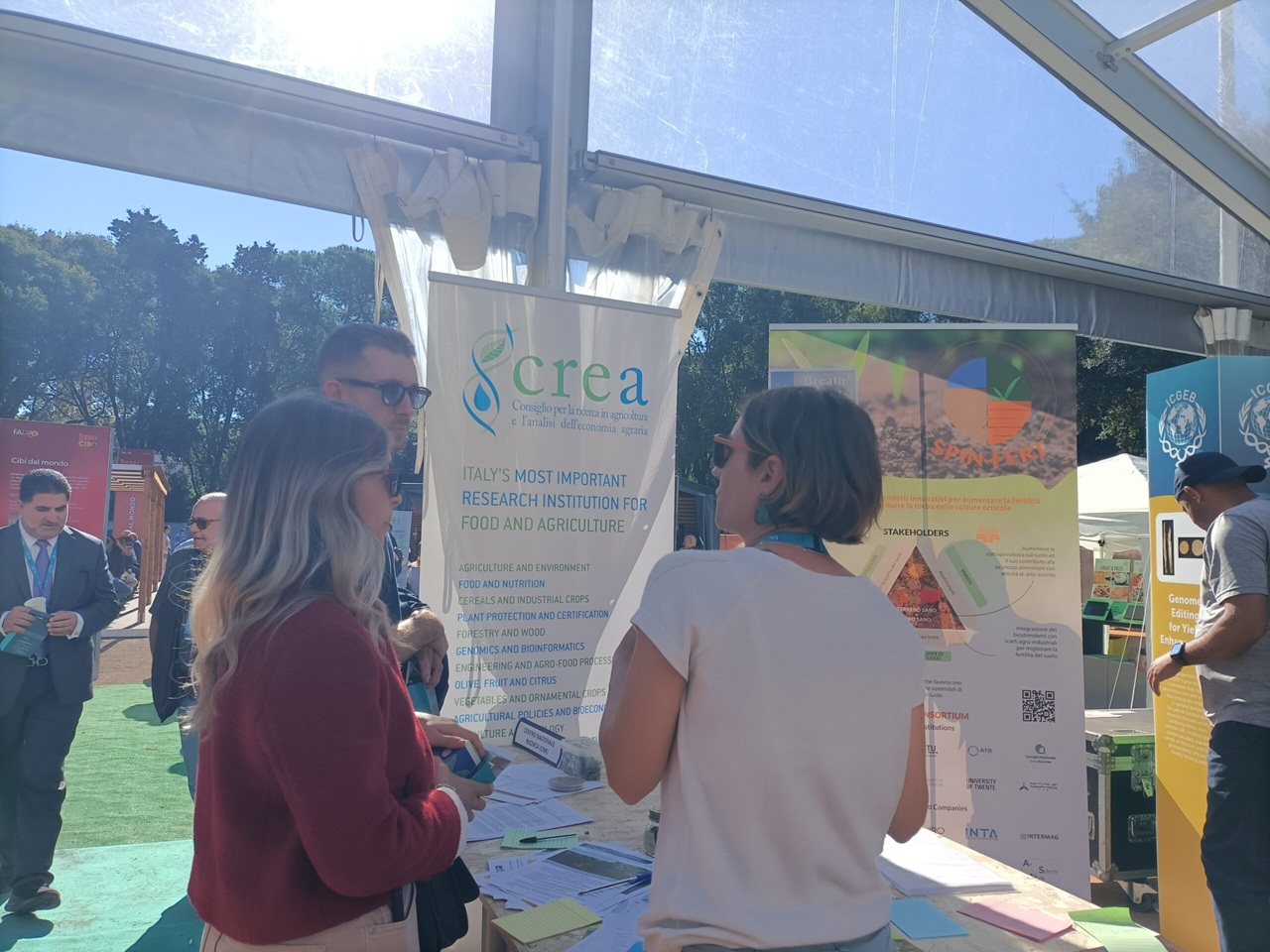
The Memory Nexus smelling session was part of the FAO’s 80th anniversary celebrations and the World Food Day events, including the “From Seeds to Foods” exhibition.
The exhibition showcased the rich traditions and innovations that shape how we grow, share, and enjoy food. Held at Parco di Porta Capena in Rome, it offered visitors an informative and entertaining journey through the value chains of field crops, horticulture, livestock, forestry, and fisheries. Attendees had the opportunity to see food production technologies, taste foods from various culinary traditions, and engage in discussions with agrifood system experts. https://www.fao.org/seeds-to-foods/en
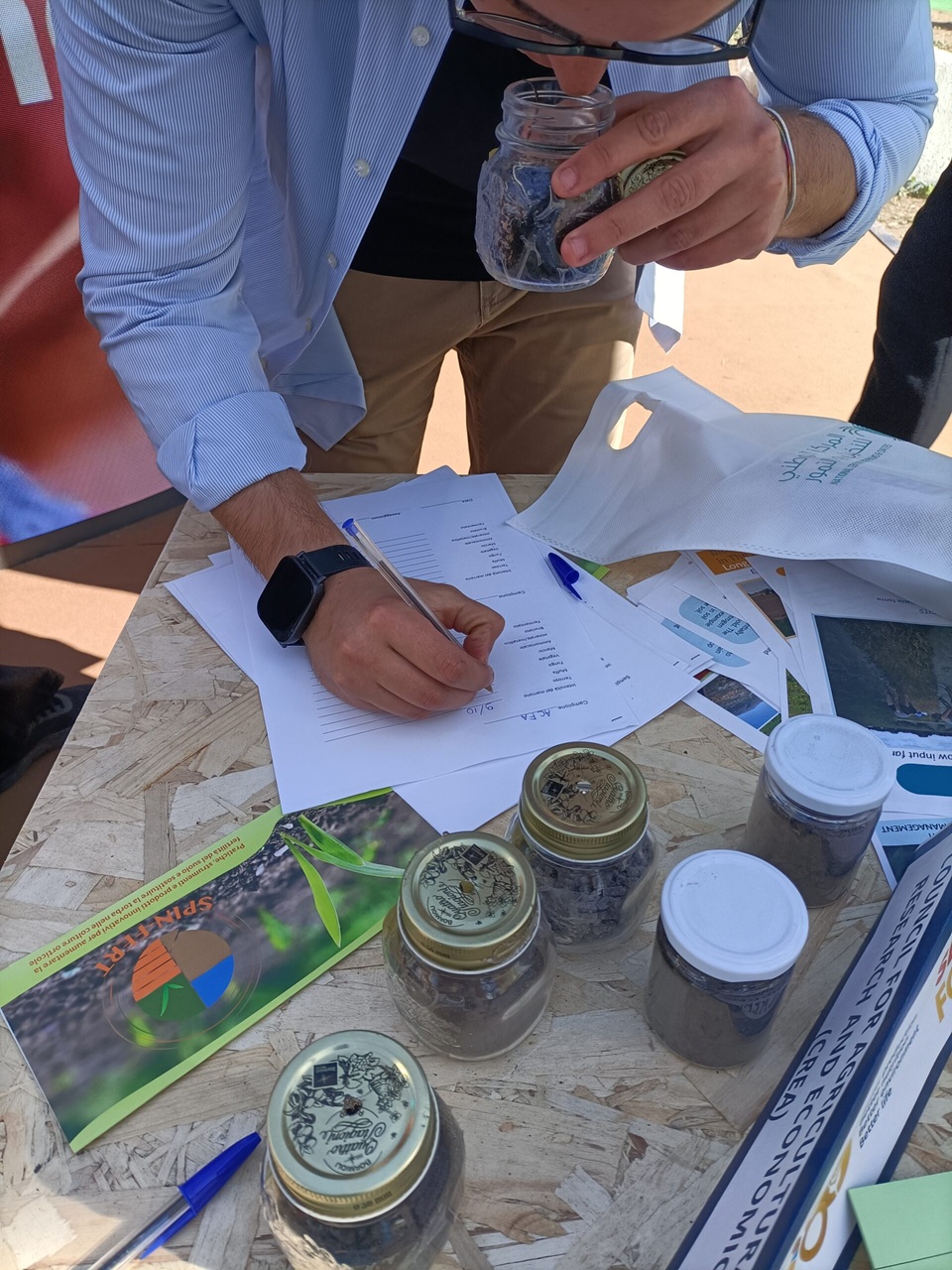
“Breath of Soil – Memory Nexus” invited visitors to explore the emotional and sensory connections between soil and life on Earth. Collaborating with the CREA team, we engaged a diverse audience—including citizens, children, students, and farmers—to reflect on the vital role of soil in sustaining life.
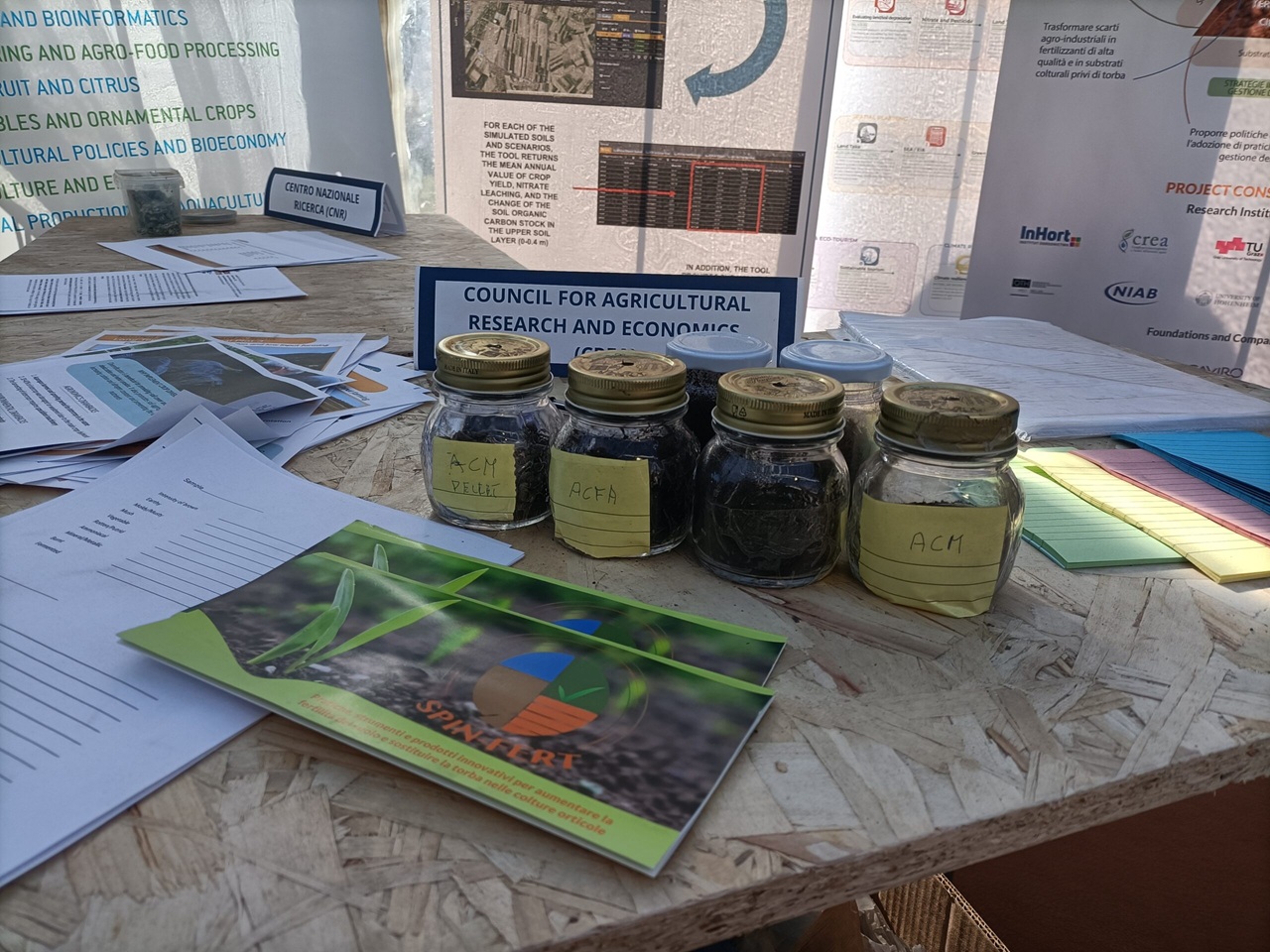
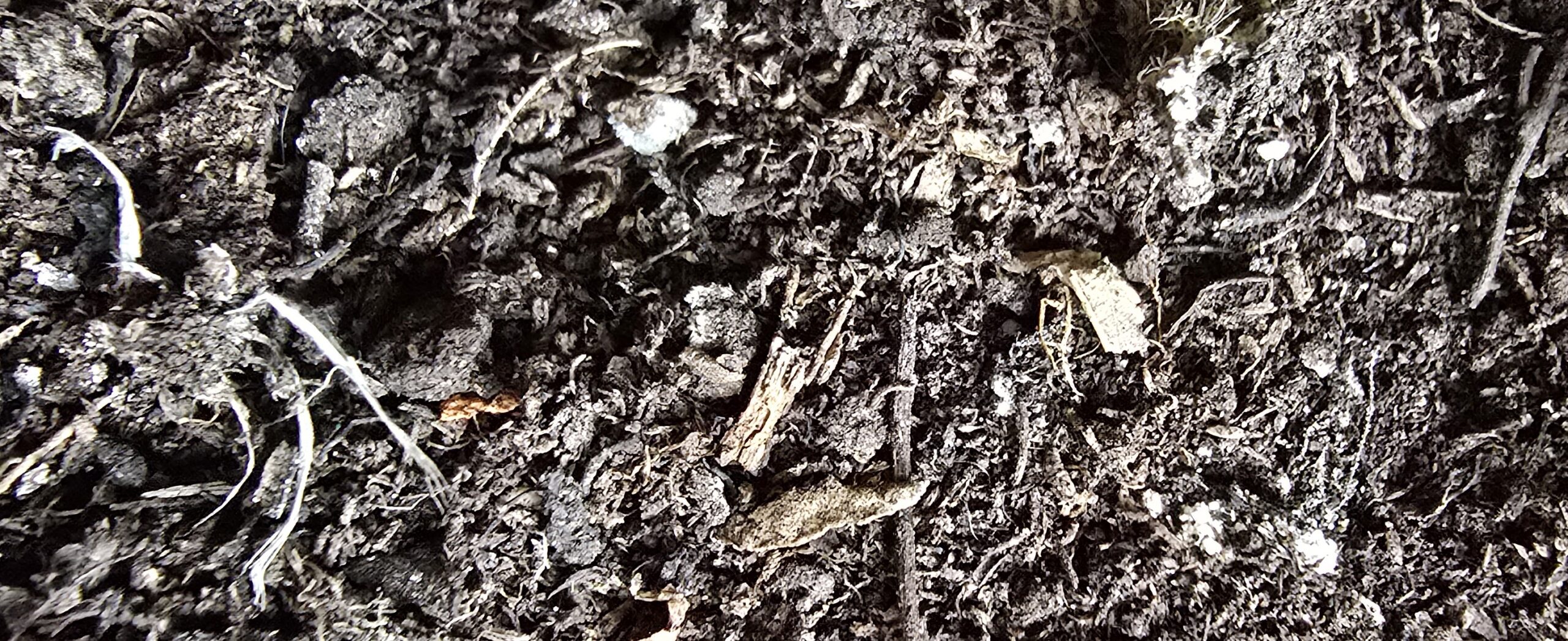
The soil sample was prepared by SPIN-FERT scientists from ENOMONDO (IT) & InHORT (PL). For the sample, they used compost produced using an innovative method that combines waste from agri-food industries. In particular, it included three kinds of raw materials: i)residues from wine production (grape pomace – formed of grape skin and seeds), after the extraction of the remaining alcohol (to produce grappa, the famous Italian distillate), ii) the residues from the transformation into preservatives or frozen food of fruits (apple pomace – the peel and exhausted flesh – from the production of juices) and vegetables (tomato or other vegetable peels), and iii) the material obtained from pruning grape vines (shoots and vines). These raw materials, characterised by high quality and free of plastics and other impurities, were processed using an innovative composting technology, enabling their transformation into a pleasant-smelling compost.
Students learned that Decay—whether occurring naturally in soil or managed through composting—is the essential process by which decomposing organic matter is transformed into nutrient-rich material that supports plant growth.
Click on the circles to uncover the lingering echoes of the past.
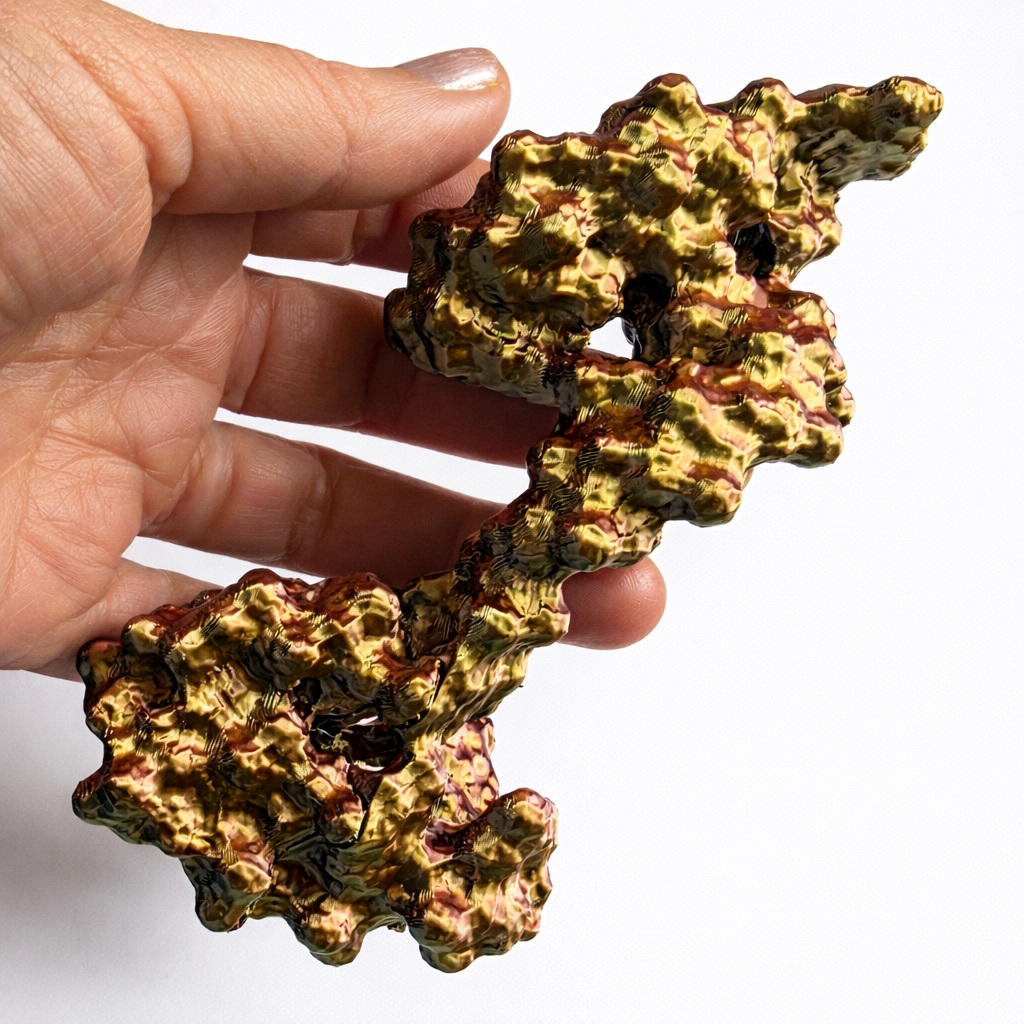
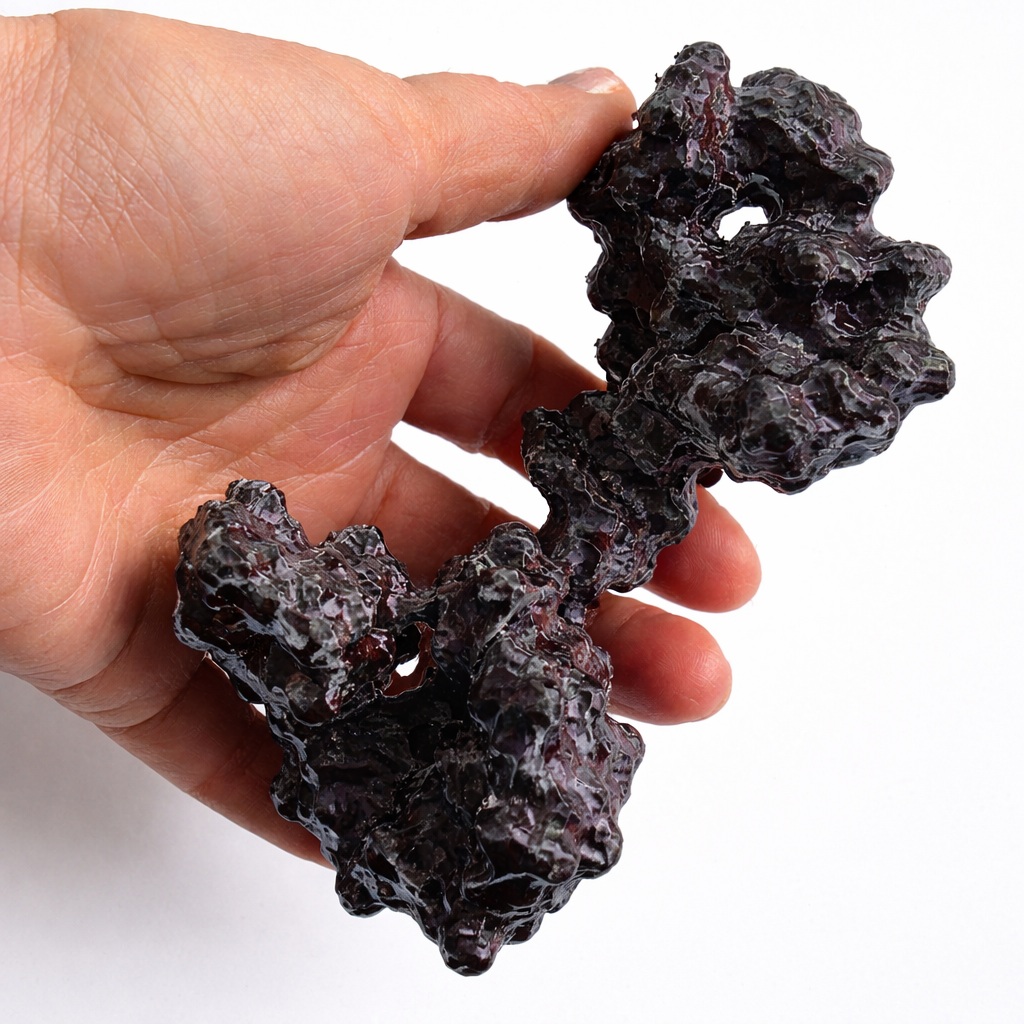
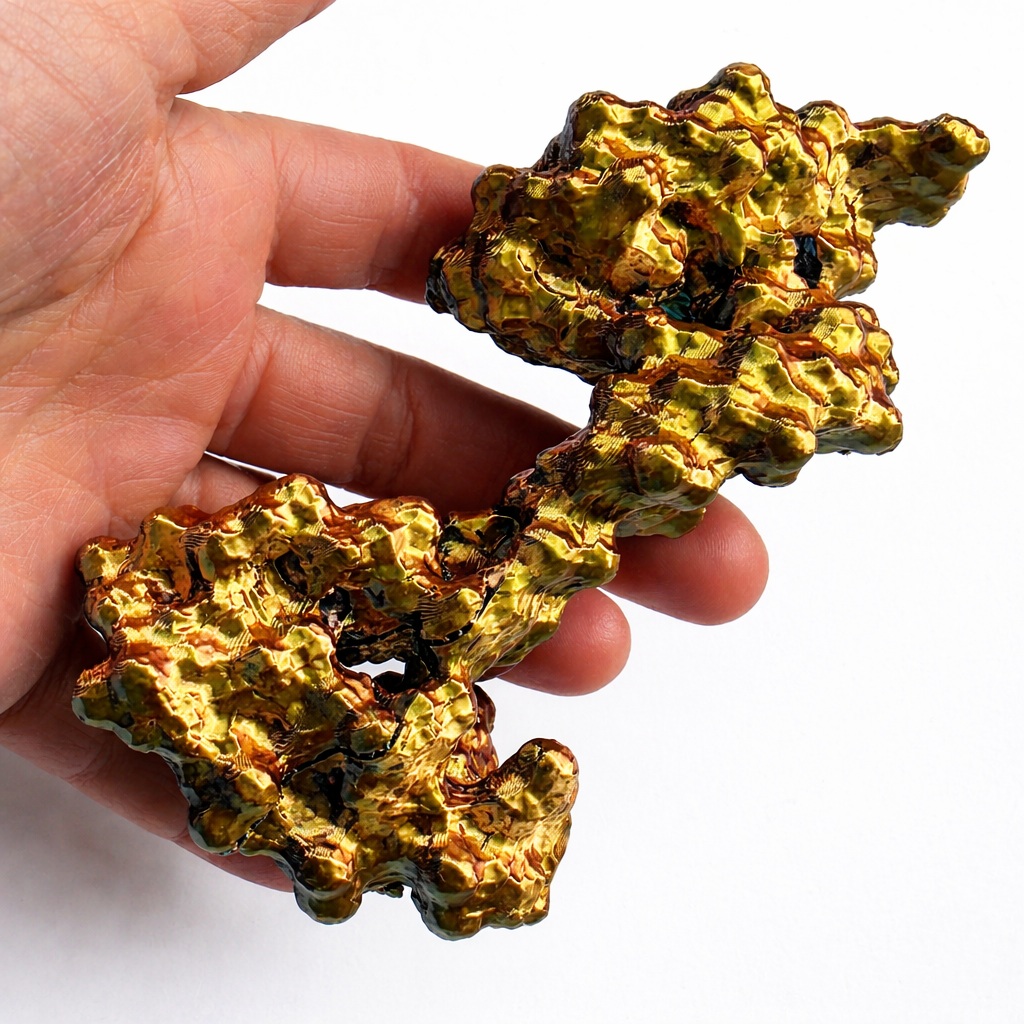
This composition is built upon the intricate secondary structure of RNA, which, like DNA, is composed of four essential bases: adenine, uracil, cytosine, and guanine ( denoted by the letters A, U, C and G ). Each RNA molecule folds into a unique shape, a structure dictated by the specific sequence and pairing of these bases. The resulting shape is crucial, as it determines the RNA's function within the cell. 5′-AUGUAUCUGUACUGUAUCGUAUGU-3′ |
(((...)))..((...))......
Nature and Landscapes - spatial memories (Adenine)