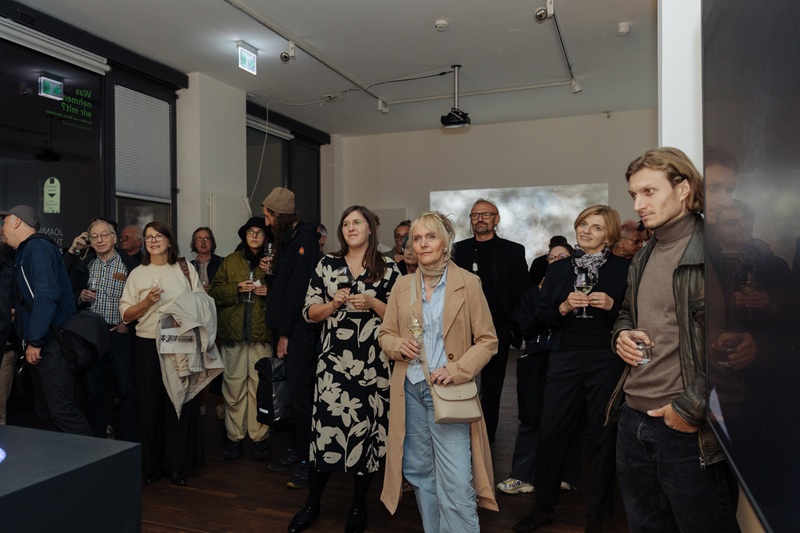
The exhibition at the Polish Institute Berlin, 26.09 – 28.11. 2025
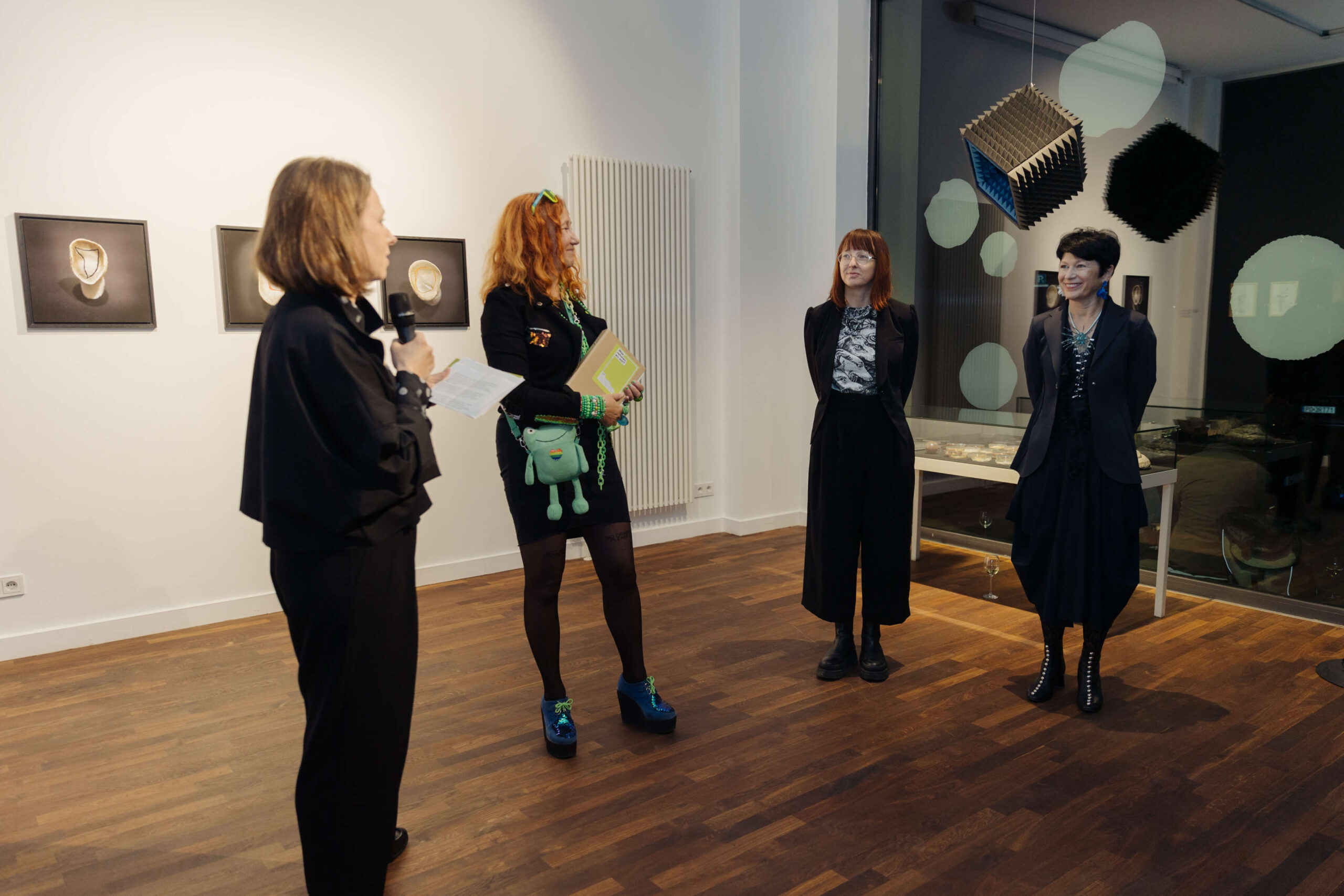
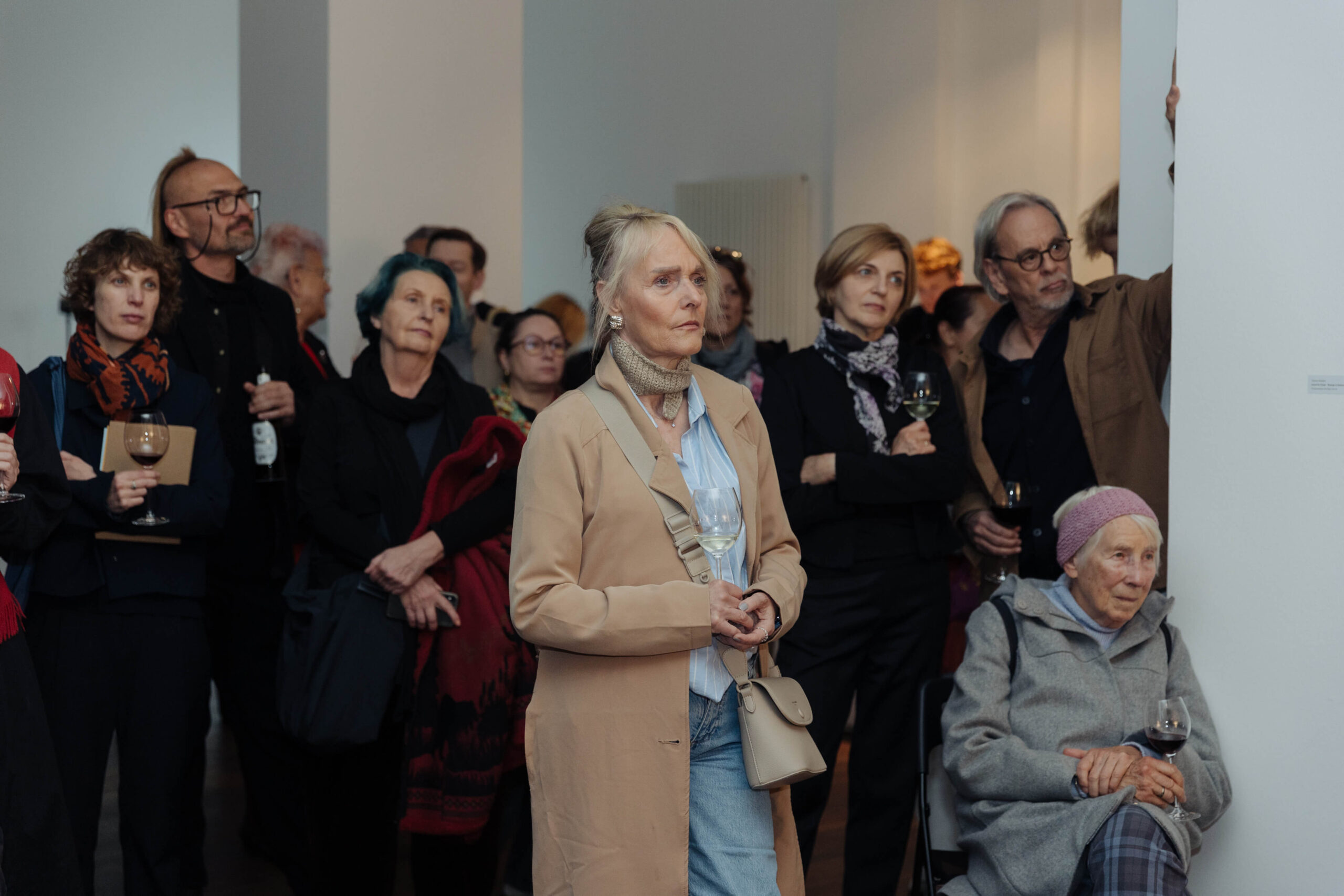
The fifth exhibition in the series “What do we take with us?” at the Polish Institute in Berlin, curated by Prof. Marta Smolińska.
Fungi are ubiquitous yet largely invisible. They form networks underground, in water, and in the air, influence the climate, degrade pollutants, and enable symbioses that sustain entire ecosystems. At the same time, as a metaphor for interconnectedness, exchange, and coexistence, they inspire a variety of artistic and philosophical approaches.
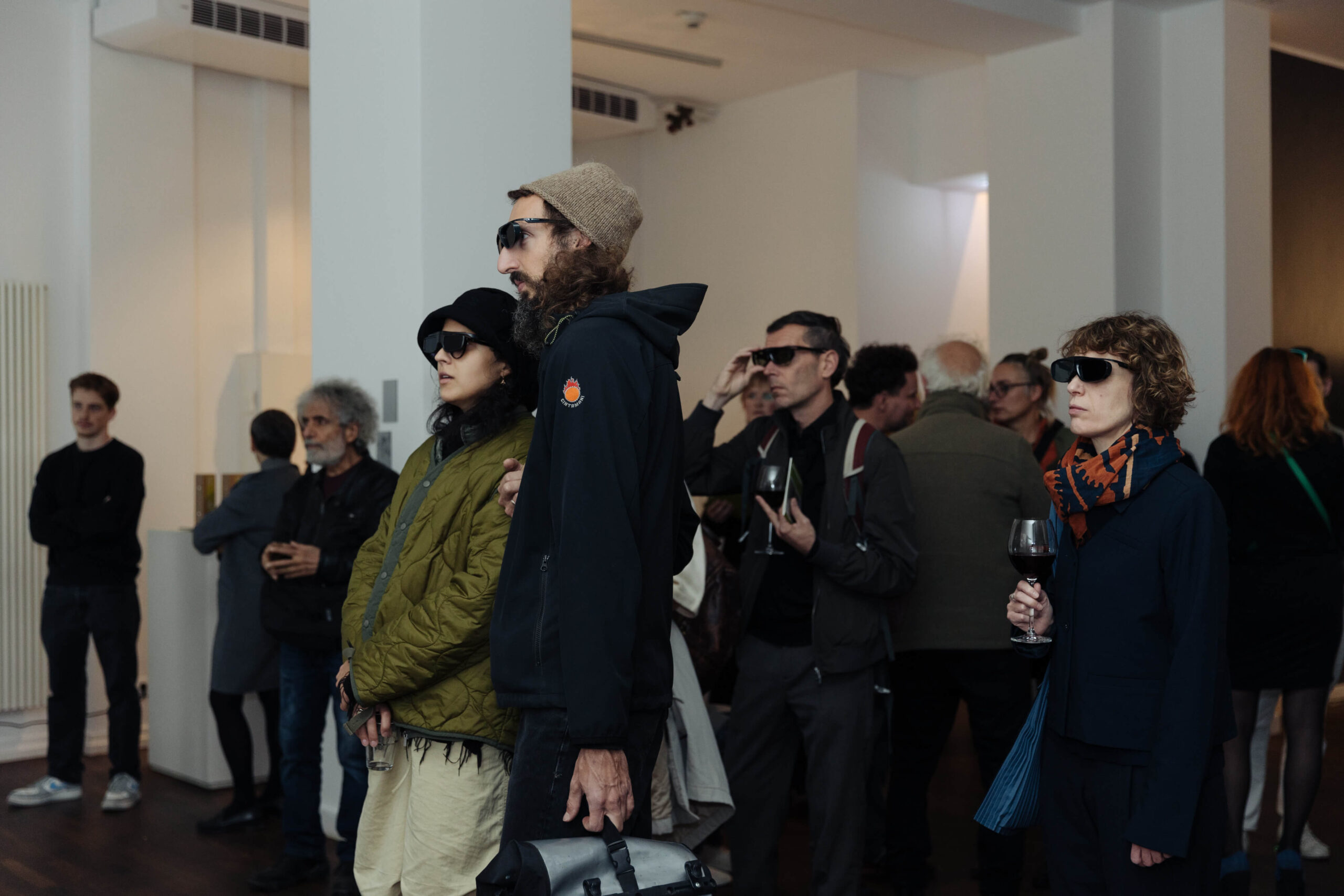
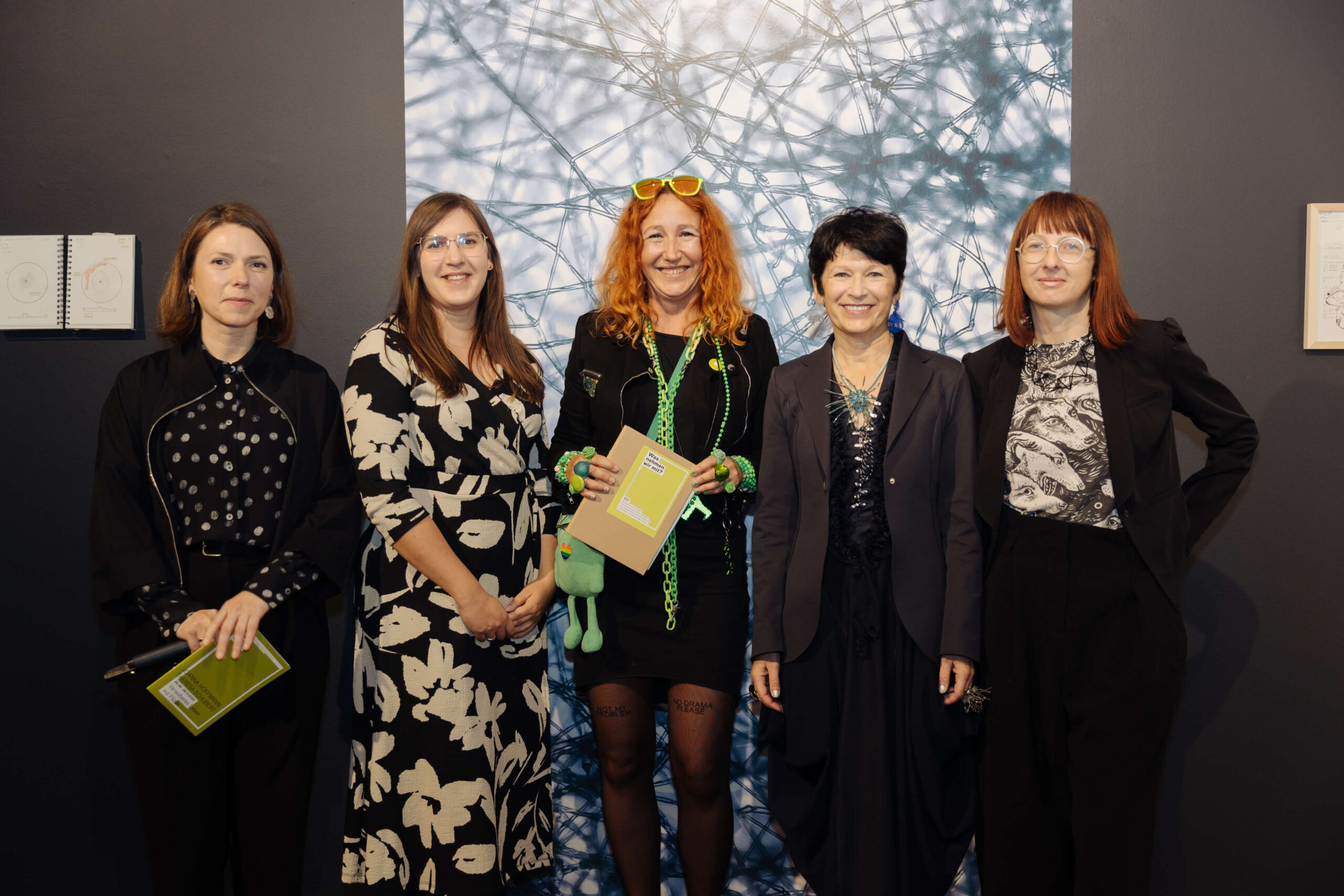
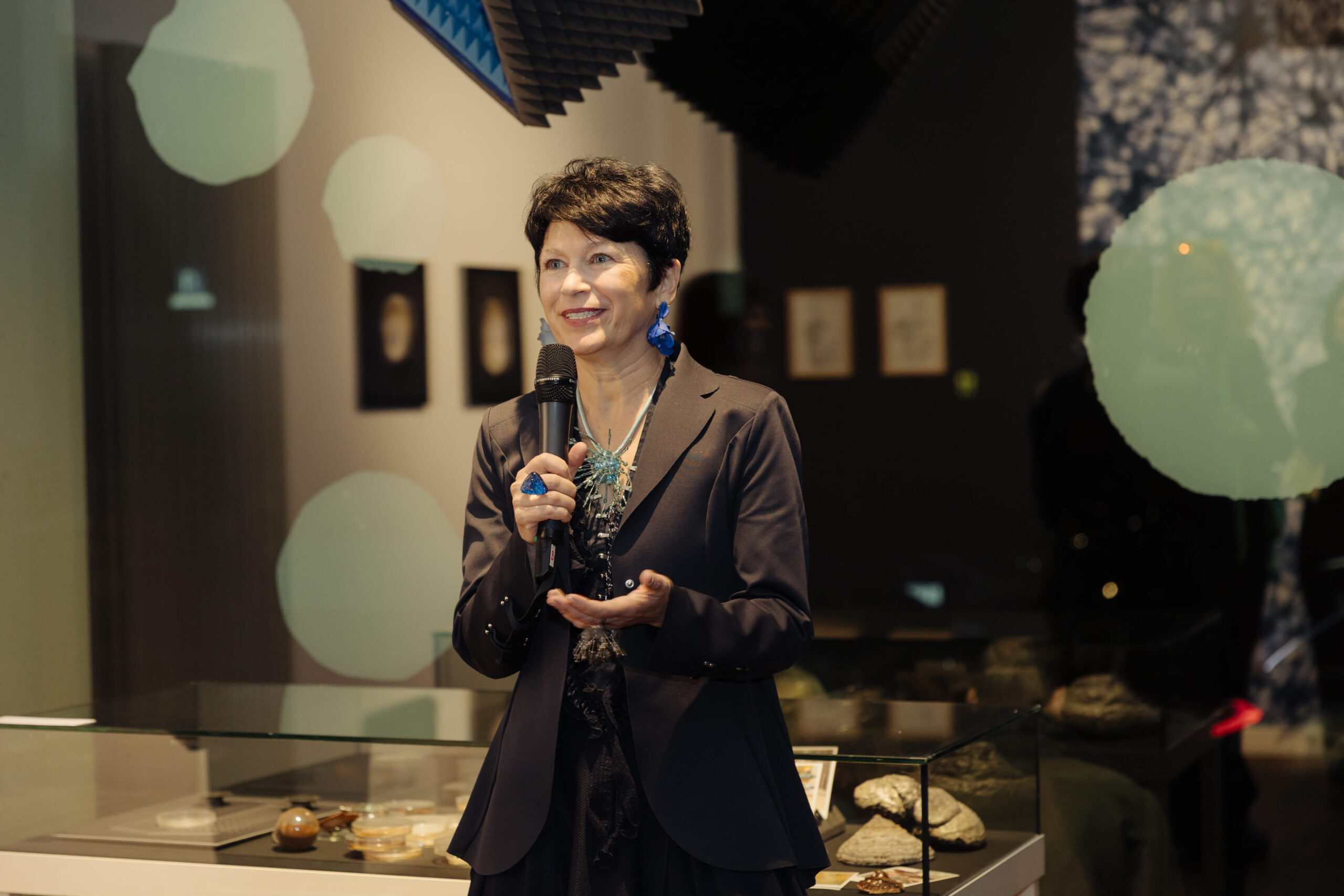
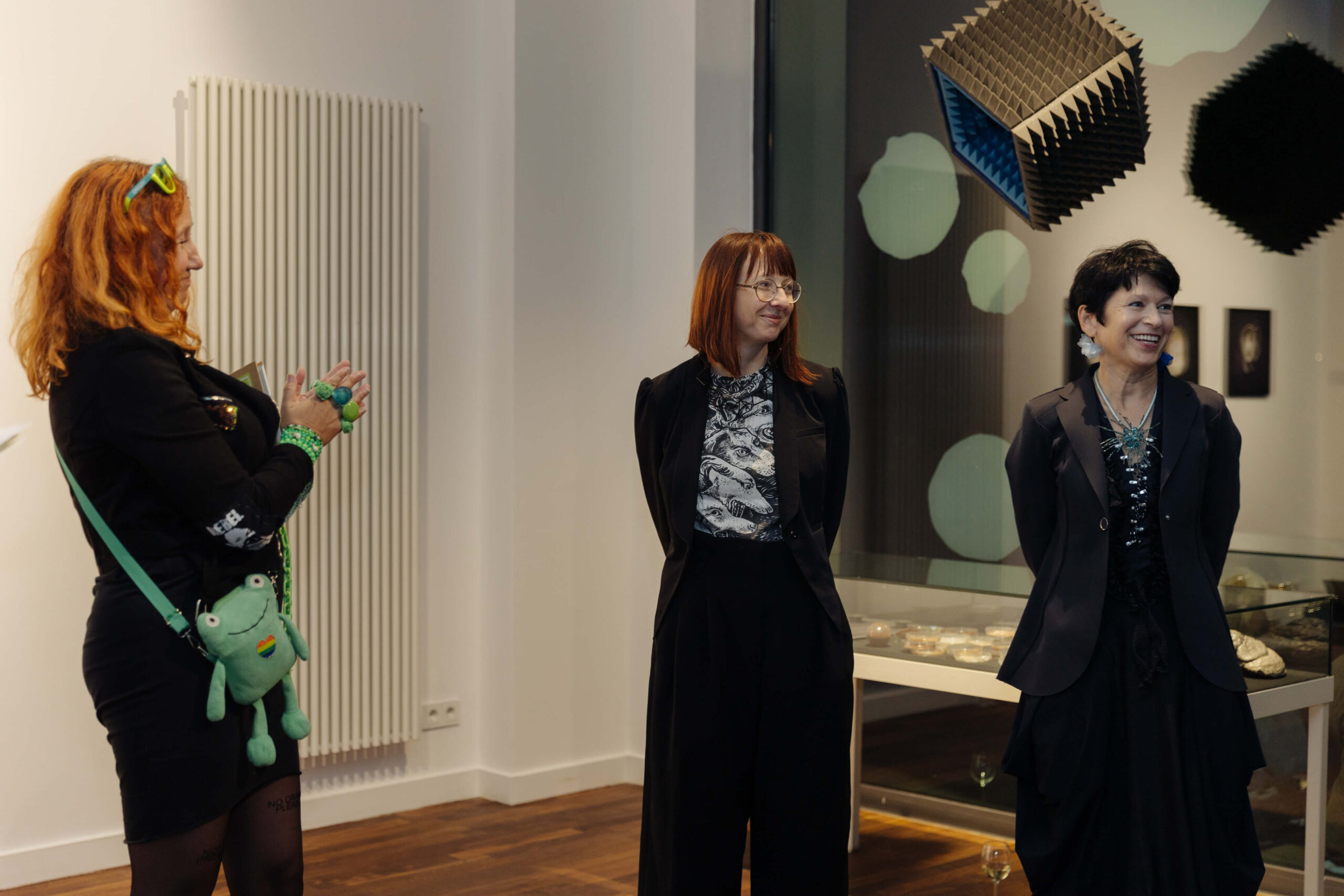
The exhibition “Interwined Life with Fungi” presents works by Joanna Hoffmann and Theresa Schubert that explore the fascinating potential of these organisms. Both artists work at the intersection of art, science, and technology, developing new aesthetic approaches to a post-anthropocentric view of the world.
In her projects, Theresa Schubert explores fungi as sentient beings. In the installation “Sound for Fungi: Homage to Indeterminacy,” mycelia respond to sound frequencies, opening up new ideas about communication between human and non-human actors.
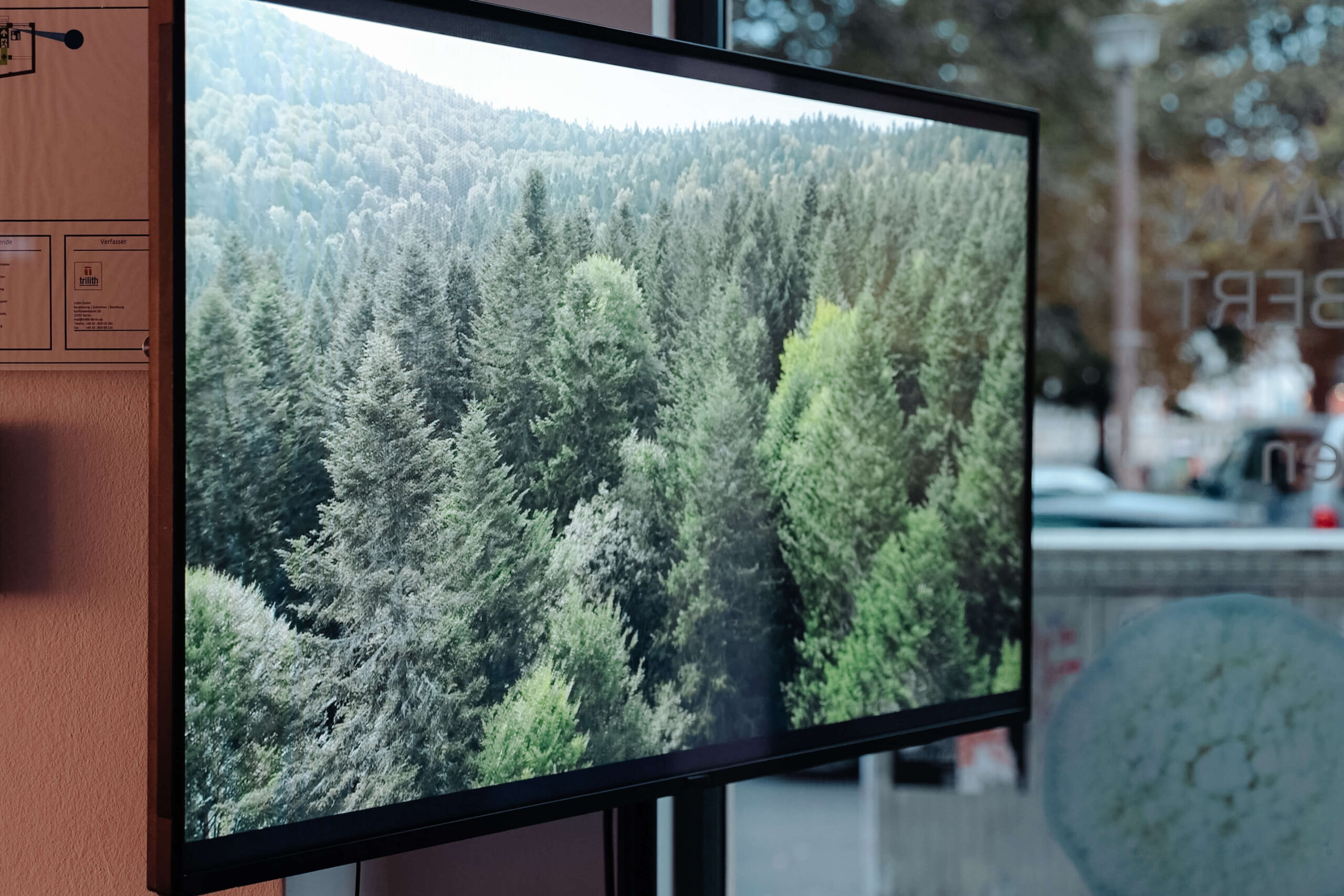
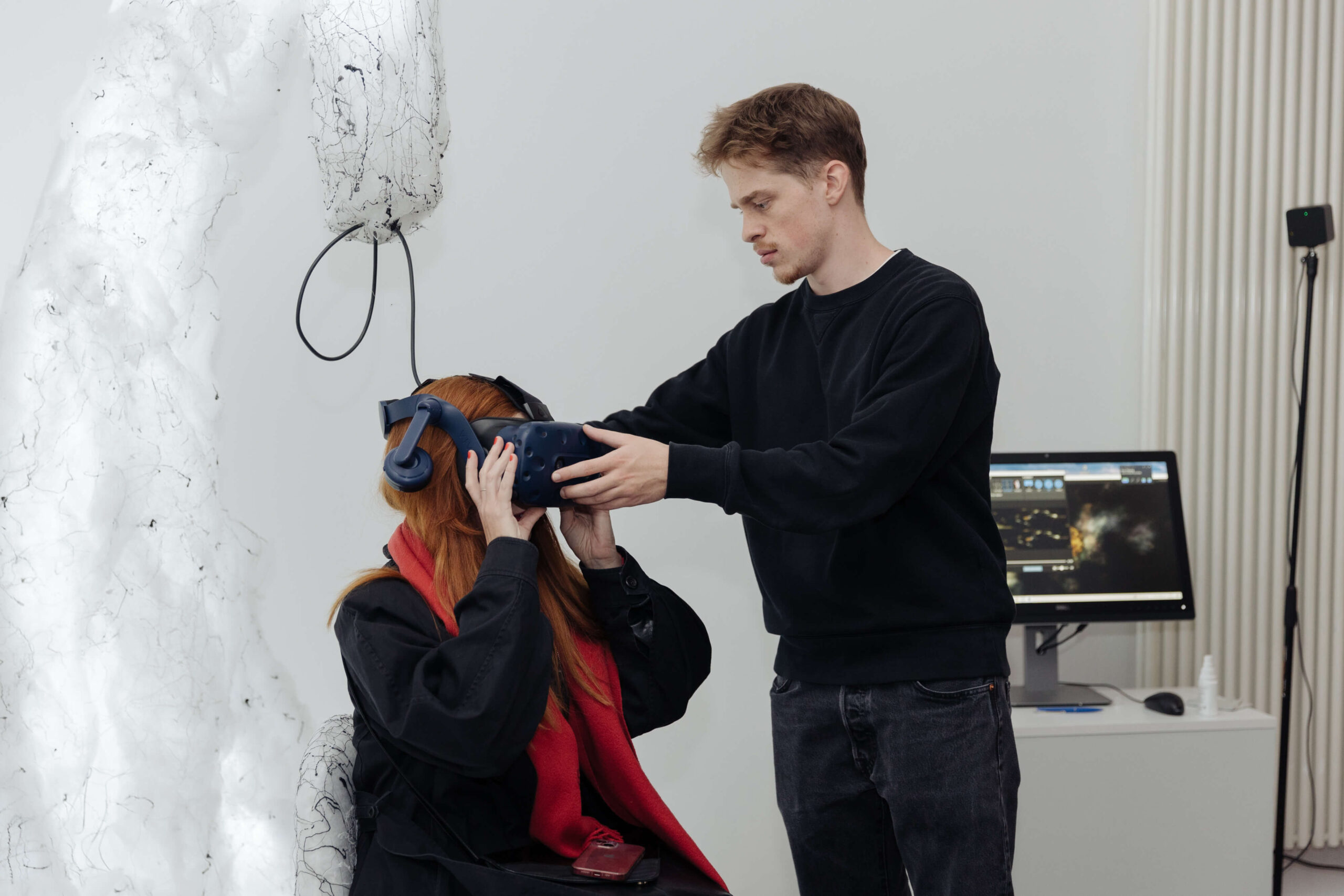
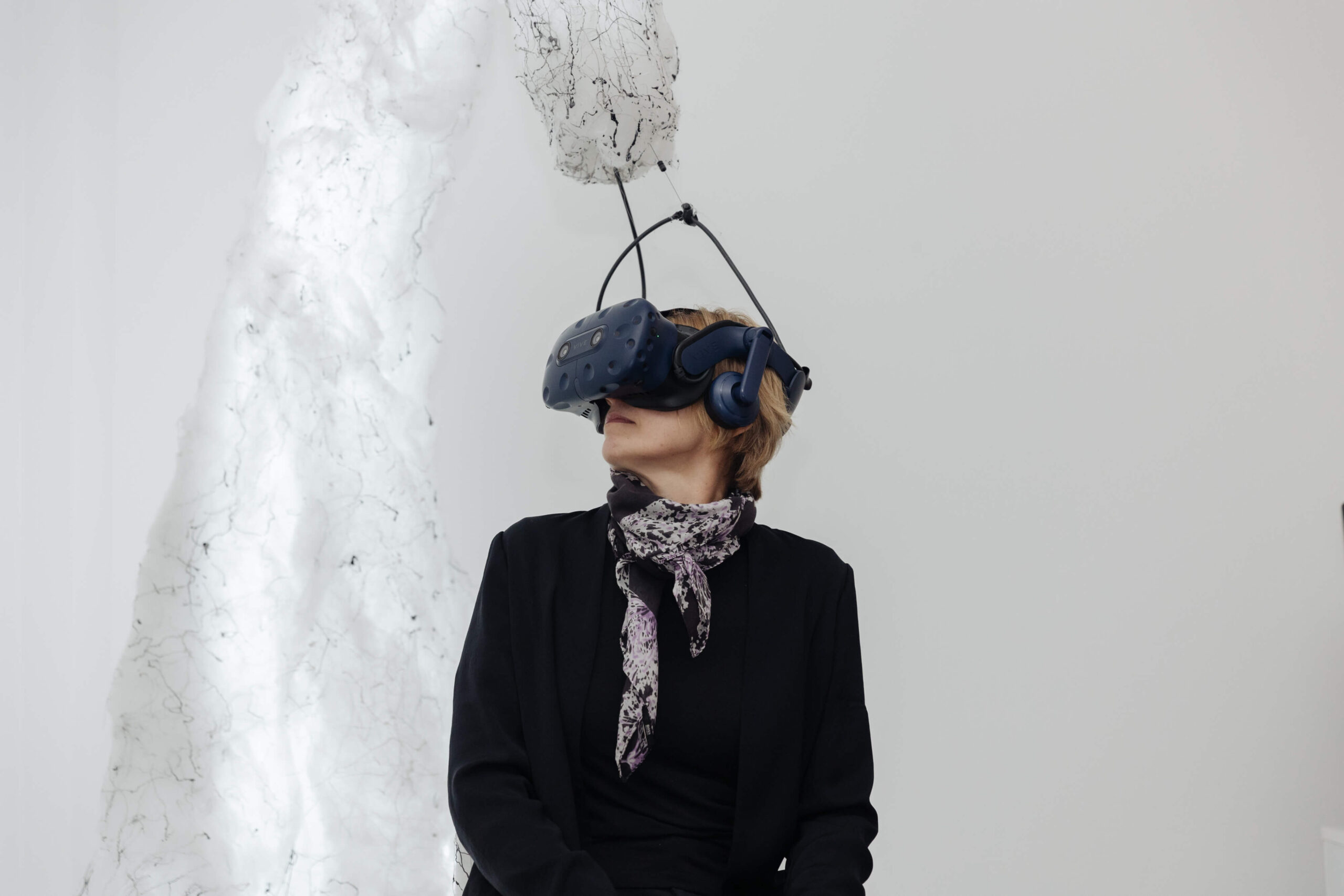
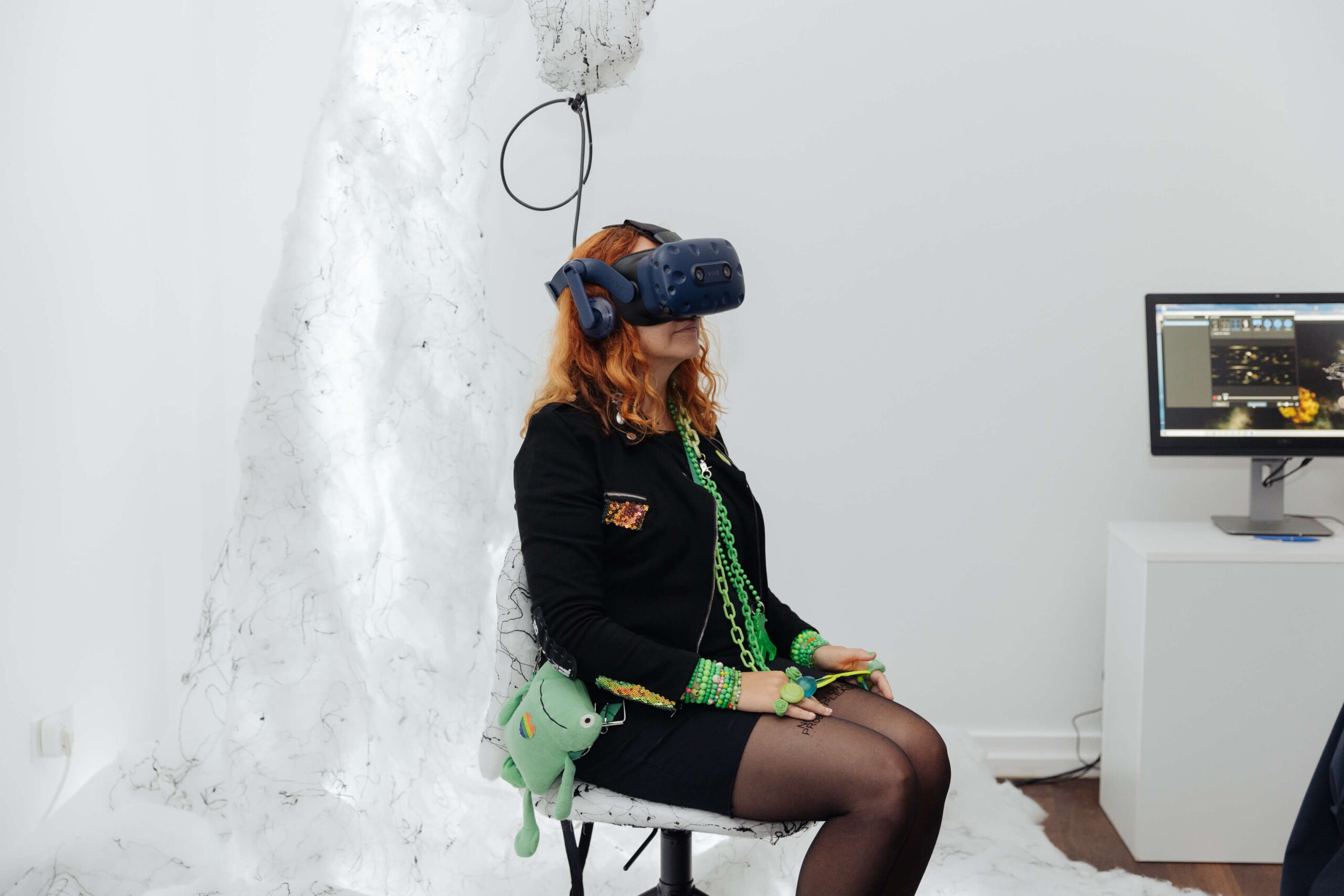
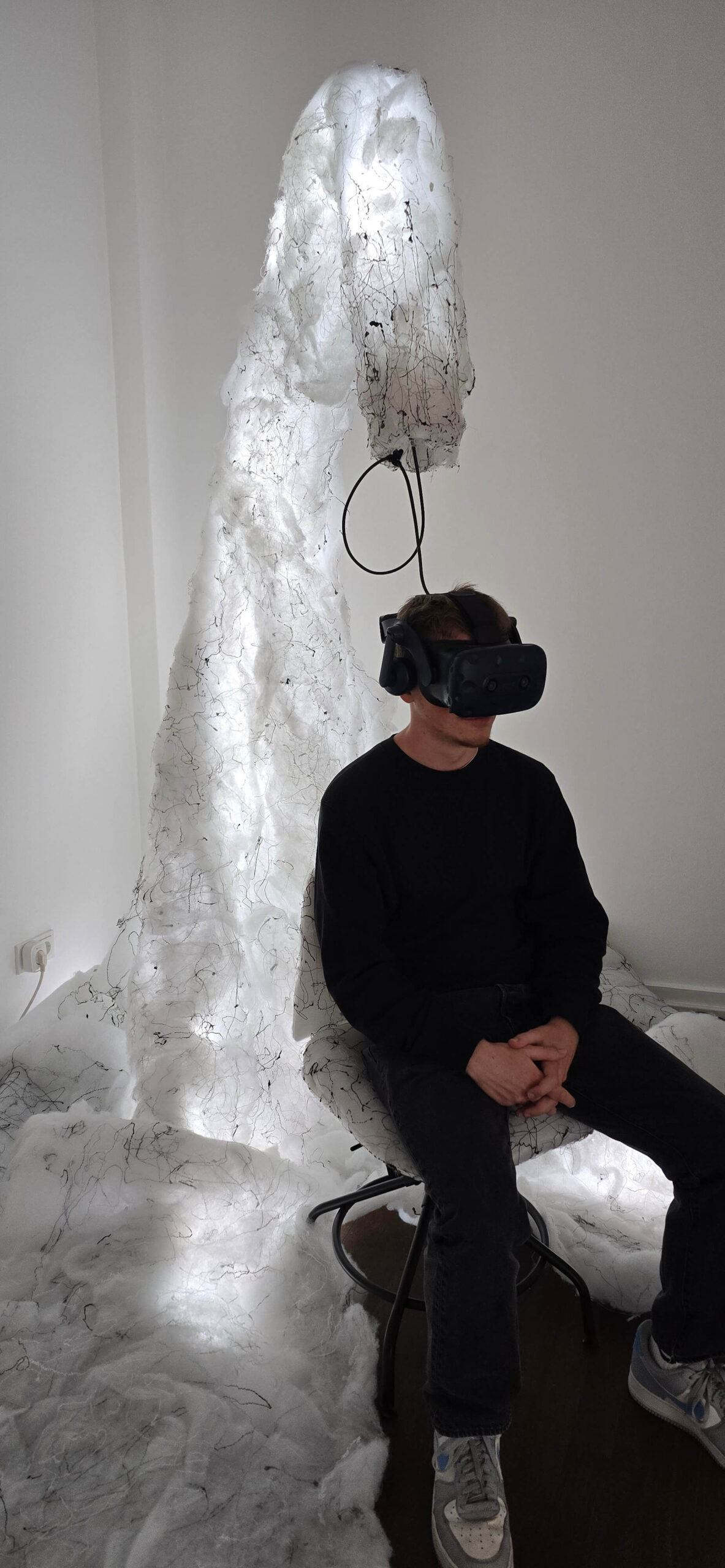
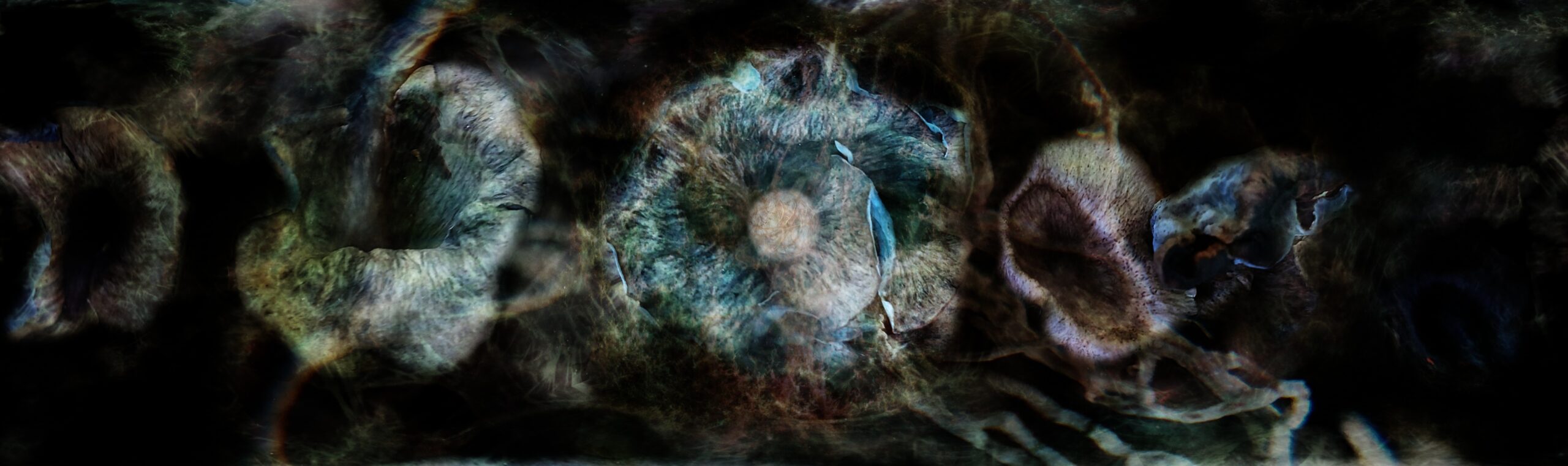
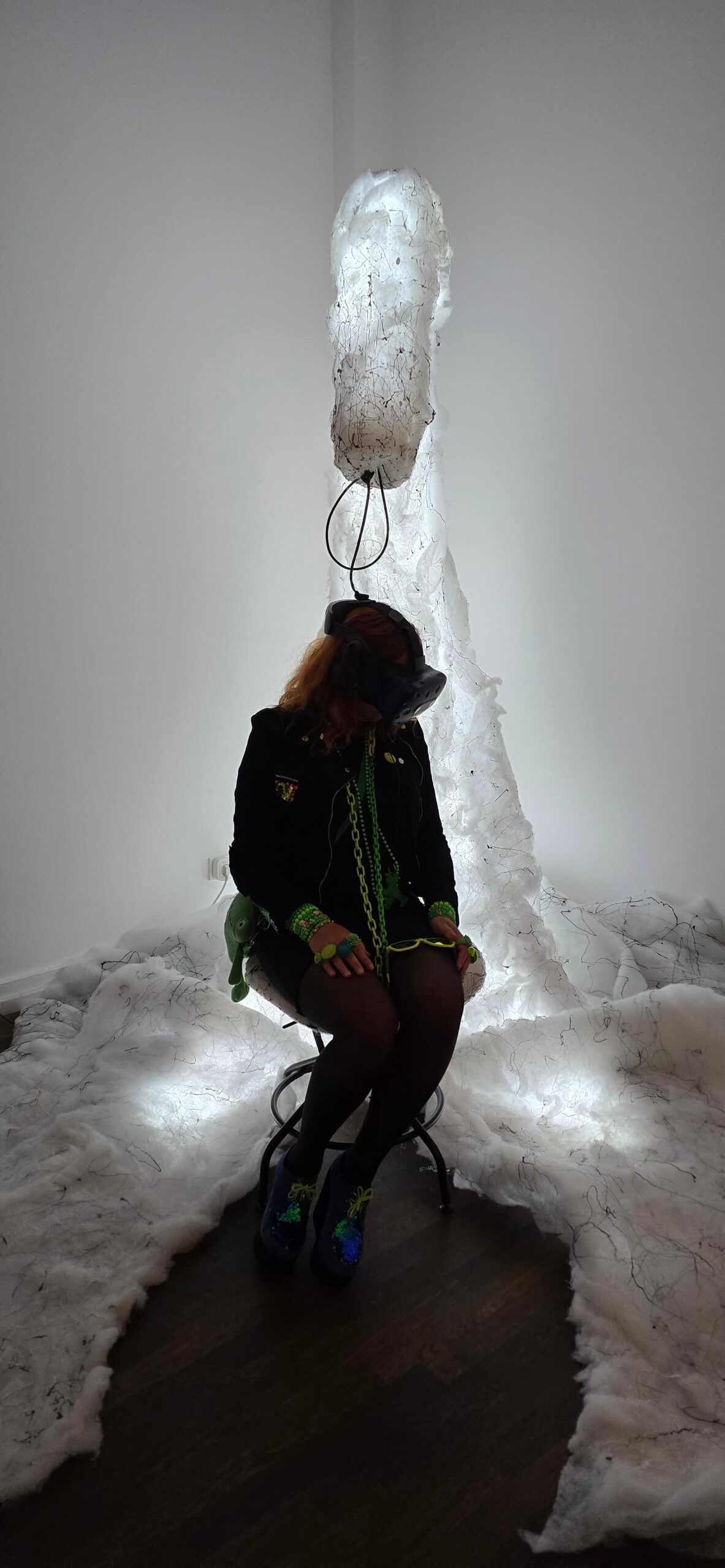
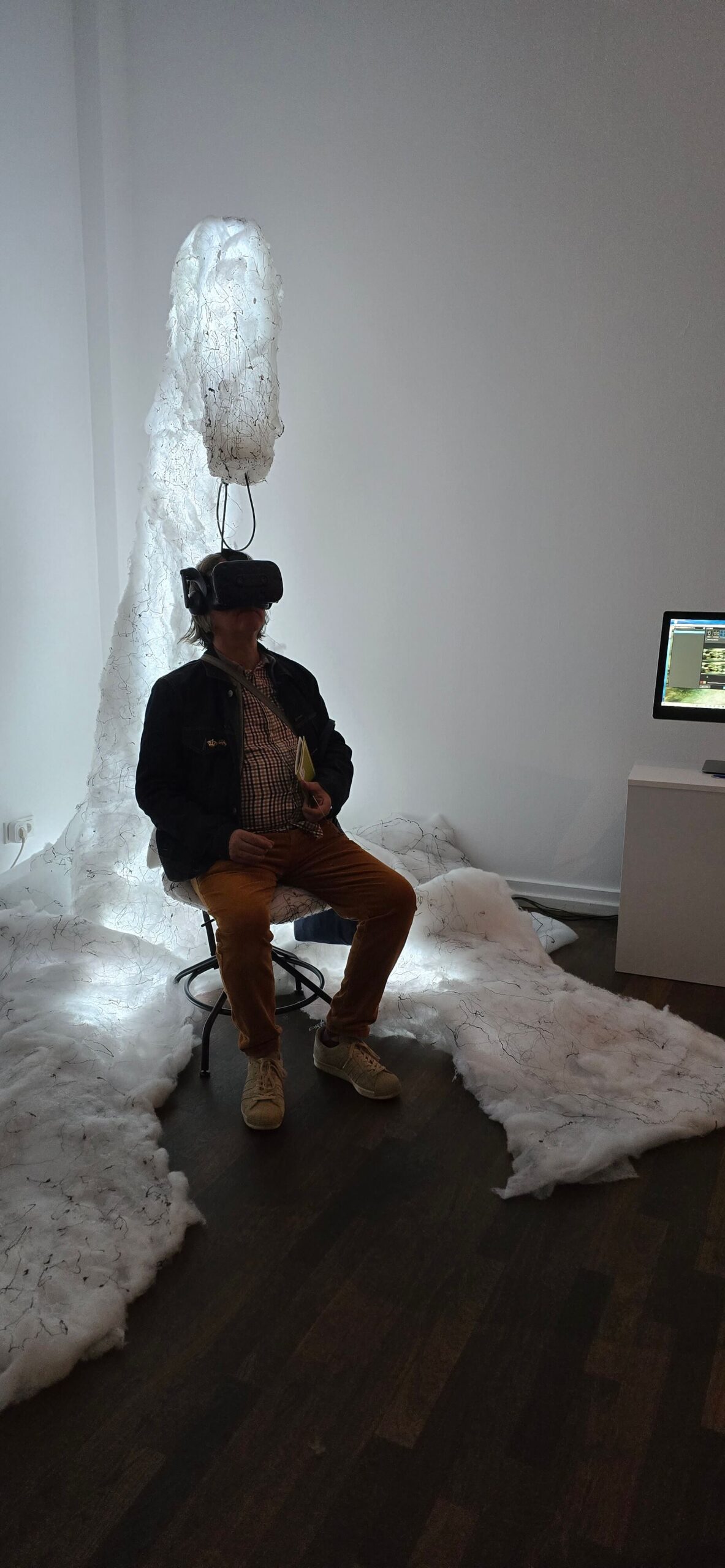
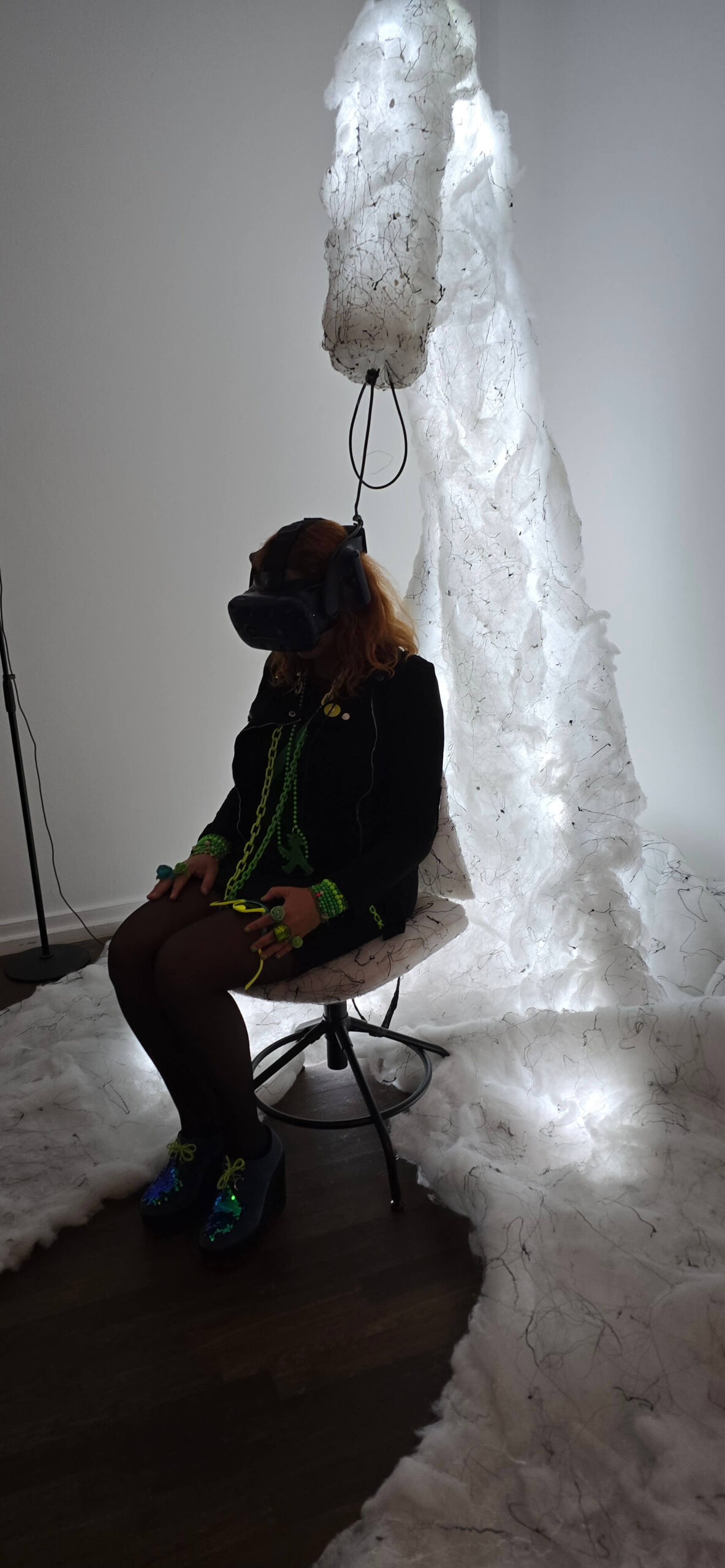
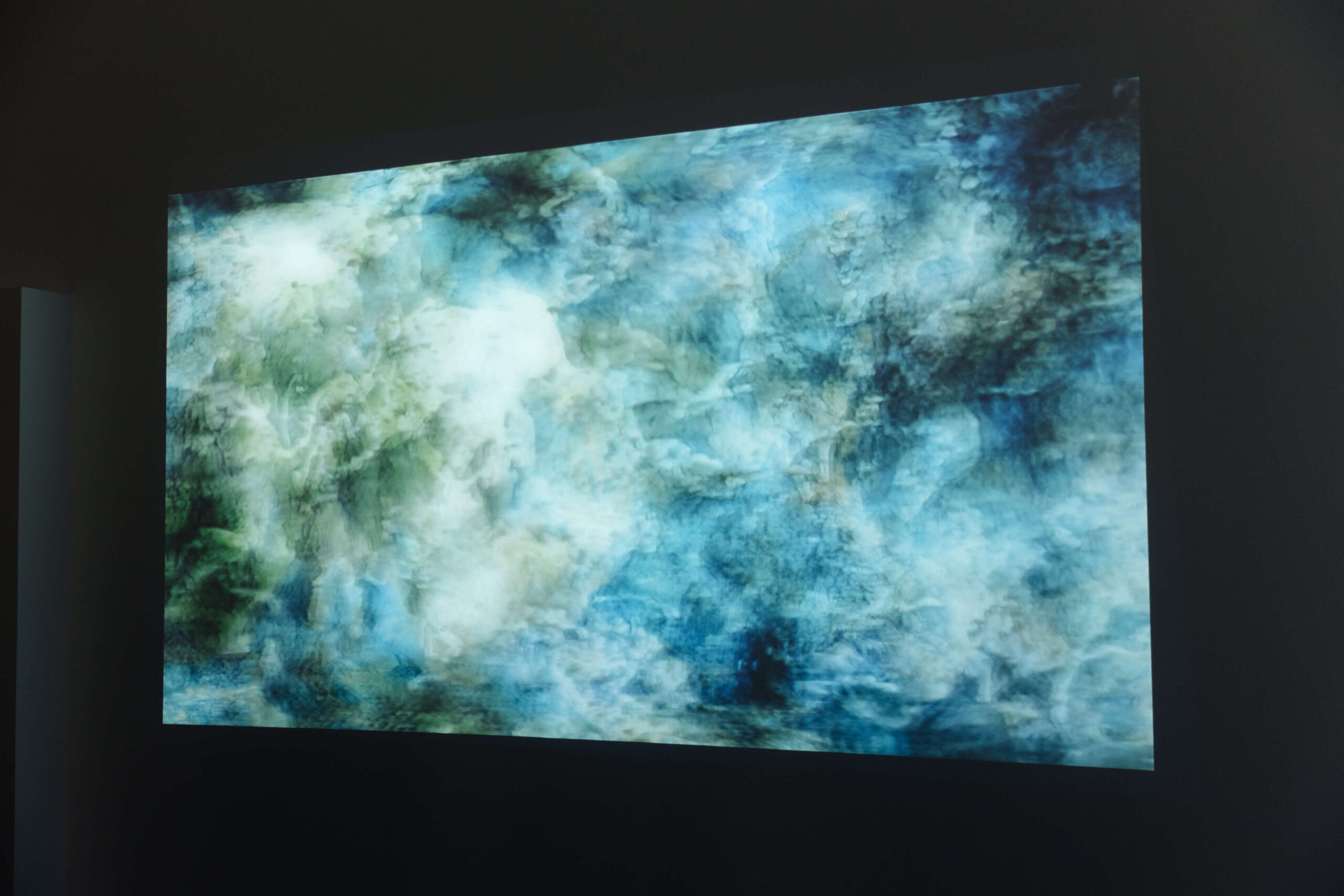
Joanna Hoffmann, on the other hand, guides the audience into immersive virtual worlds. Her work RhiZone: [M-other] makes the rhizosphere—a complex, symbiotic network of roots, bacteria, and fungi—sensorily tangible. It opens a perspective on the hidden dynamics of the forest, characterised by interdependence and shared resilience. This work was inspired by scientific research conducted within the framework of the SPUN Expedition to the Eastern Carpathians, which aimed to protect one of the world’s mycorrhizal hotspots. Joanna Hoffmann reveals the unique beauty and extreme dynamics of the rhizosphere and of natural networks based on diversity, symbiosis, and interdependence, which can survive for thousands of years.
Together, the works of Hoffmann and Schubert illustrate how closely human life is intertwined with non-human organisms. Fungi appear here not only as a biological reality, but also as artistic-philosophical models for thinking in networks, for coexistence, and for visions of an ecologically oriented future.
from the curatorial text by Prof. Dr hab. Marta Smolńska


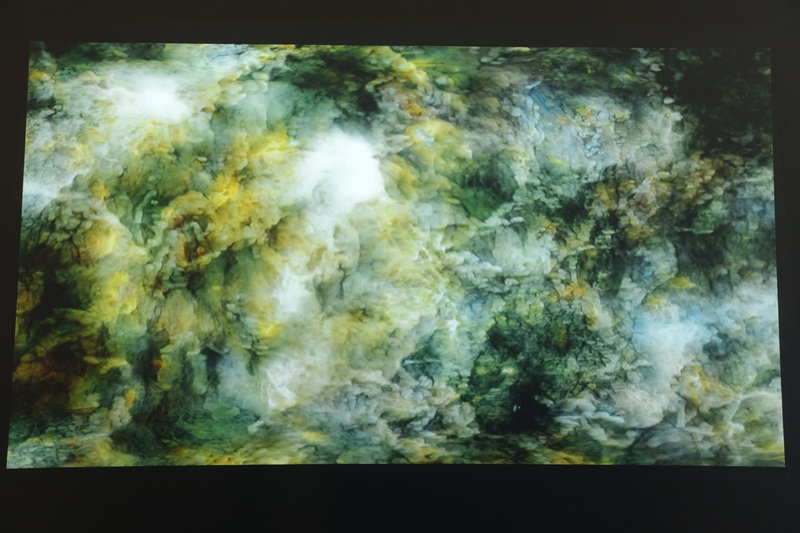
![Joanna Hoffmann, RhiZone: [M-Other], 3DS video-animation](https://artscience-node.com/wp-content/uploads/2025/10/FungiPLInsitute-20.jpg)