On July 5, 2025, the University of Hohenheim welcomed the public to its annual Open Day. As part of the event, the Spin-Fert project was presented at a joint booth with the Moor-Power project, drawing attention to the importance of peatland protection and the development of peat alternatives in horticultural substrates.
Under the shared title “Smell, guess, protect: moor protection quiz meets memory nexus”, Spin-Fert engaged visitors with a unique smell-based memory session/game, designed to explore the sensory perception of different growing media. Participants were invited to smell and reflect on two contrasting substrate samples. The activity attracted broad interest: more than 130 people took part, ranging from curious children to experienced gardeners and academics.
Following the memory game, visitors had the opportunity to explore a variety of peat alternatives displayed at the booth. These included different materials currently being tested or used as components in peat-free or peat-reduced substrates. The hands-on display allowed for direct comparison of texture, structure, and appearance, sparking many in-depth conversations about practical use, environmental impact, and future potential.
Alongside Spin-Fert’s contribution, the Moor-Power project offered a peatland quiz that challenged visitors’ knowledge on topics like climate protection, rewetted moors, and the use of solar energy in these sensitive ecosystems.
Under the shared title “Smell, guess, protect: moor protection quiz meets memory nexus”, Spin-Fert engaged visitors with a unique smell-based memory game, designed to explore the sensory perception of different growing media. Participants were invited to smell and reflect on two contrasting substrate samples: • A peat-free substrate/compost provided by SPIN-FERT partner Enomondo and • A peat-reduced commercial substrate sourced from a local garden center. After smelling both samples, visitors were asked to assign each one to one of four categories based on their personal impressions: 🟩 Nature and sensory experience (Adenine) 🟨 Relationships and human connections (Cytozine) 🟥 Memory and personal reflection (Uracil) 🟦 Existential and philosophical associations (Guanine) The activity attracted broad interest, ranging from curious children to experienced gardeners and academics.
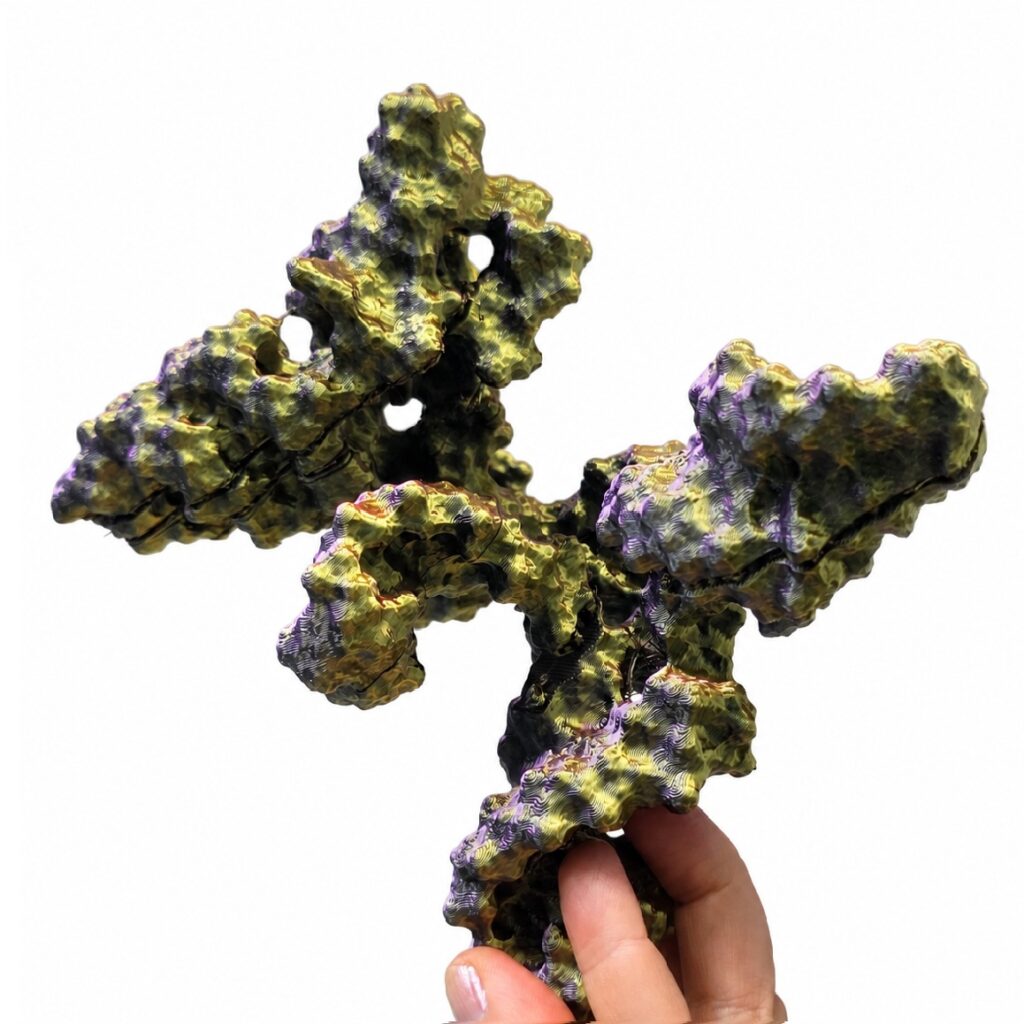
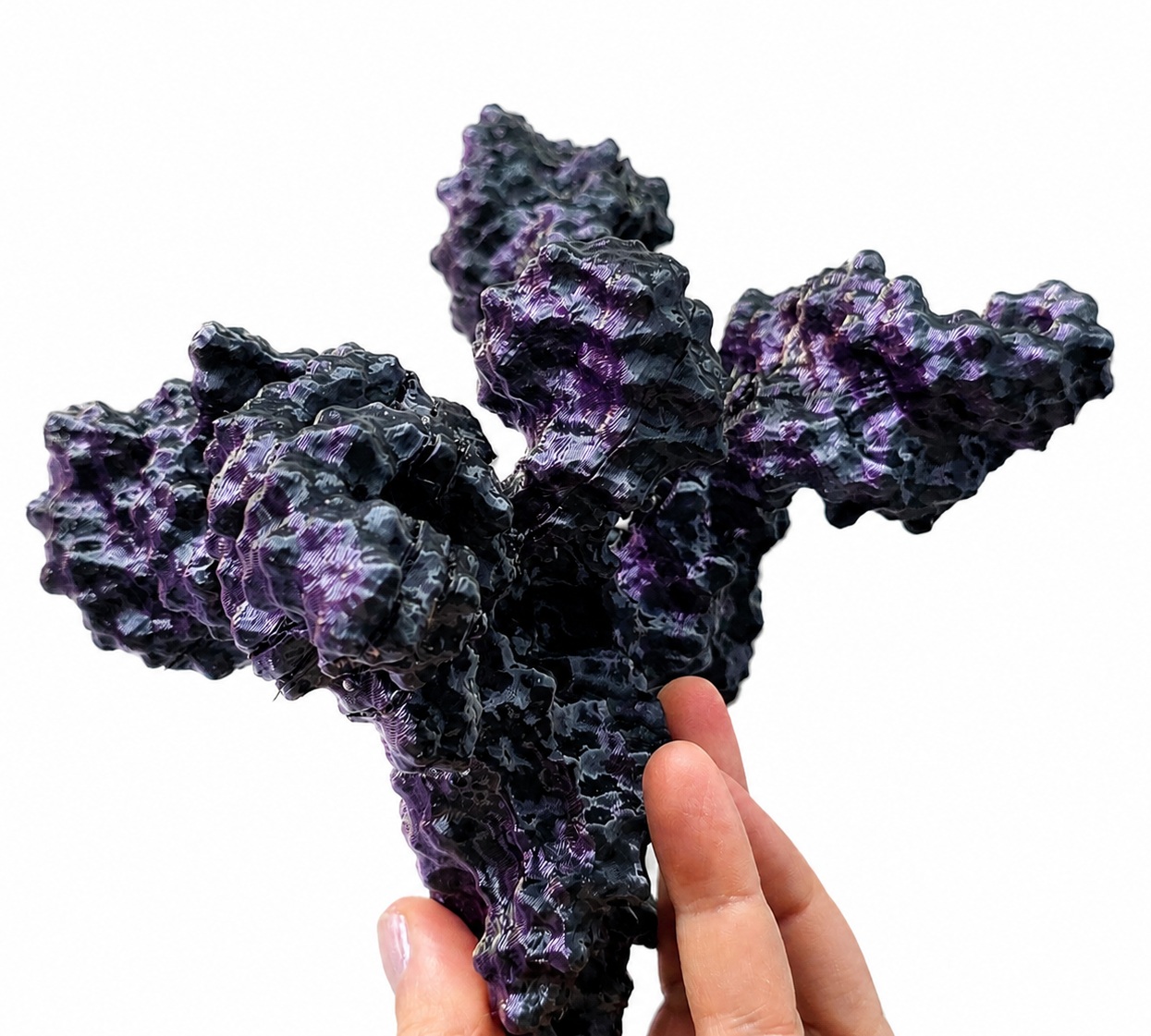
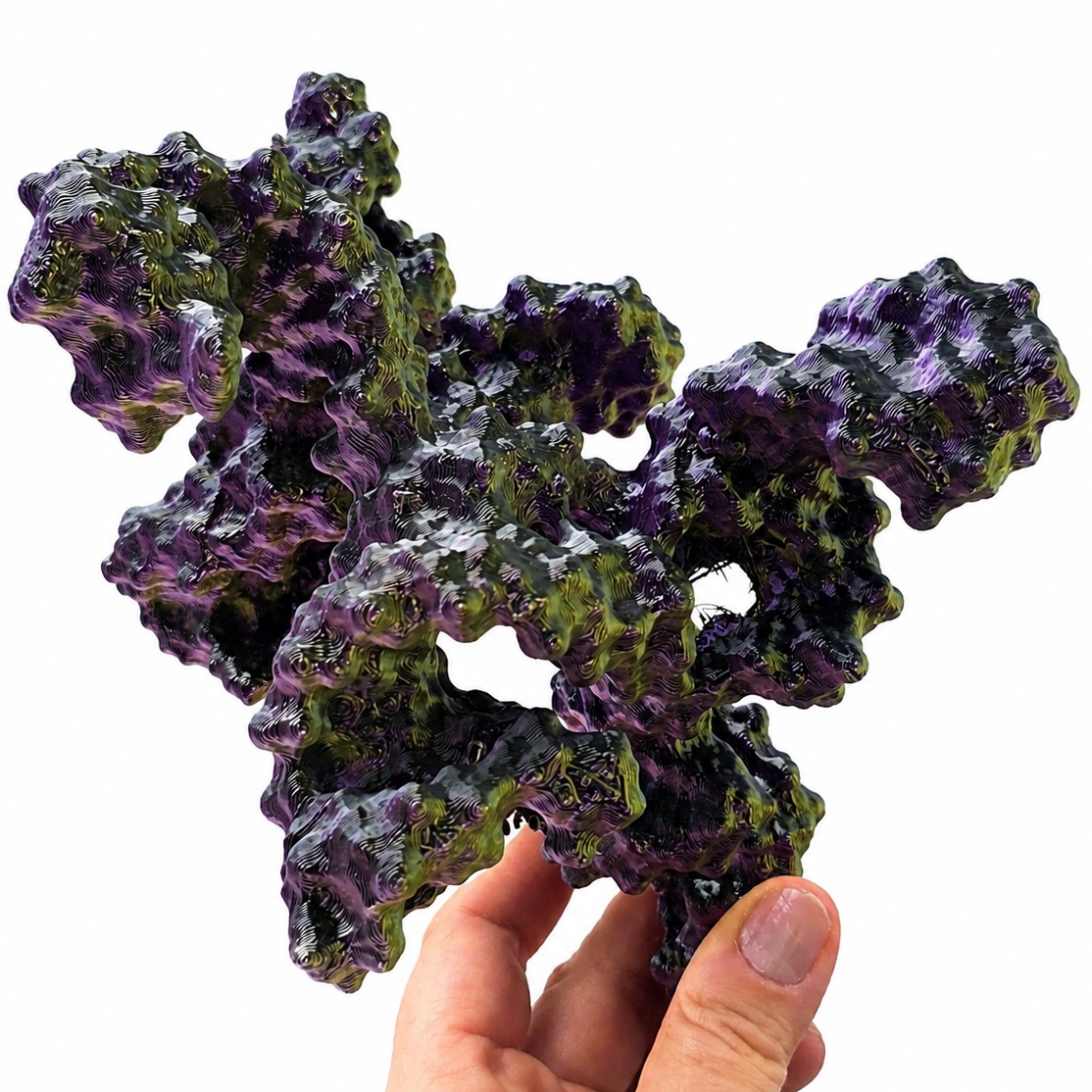
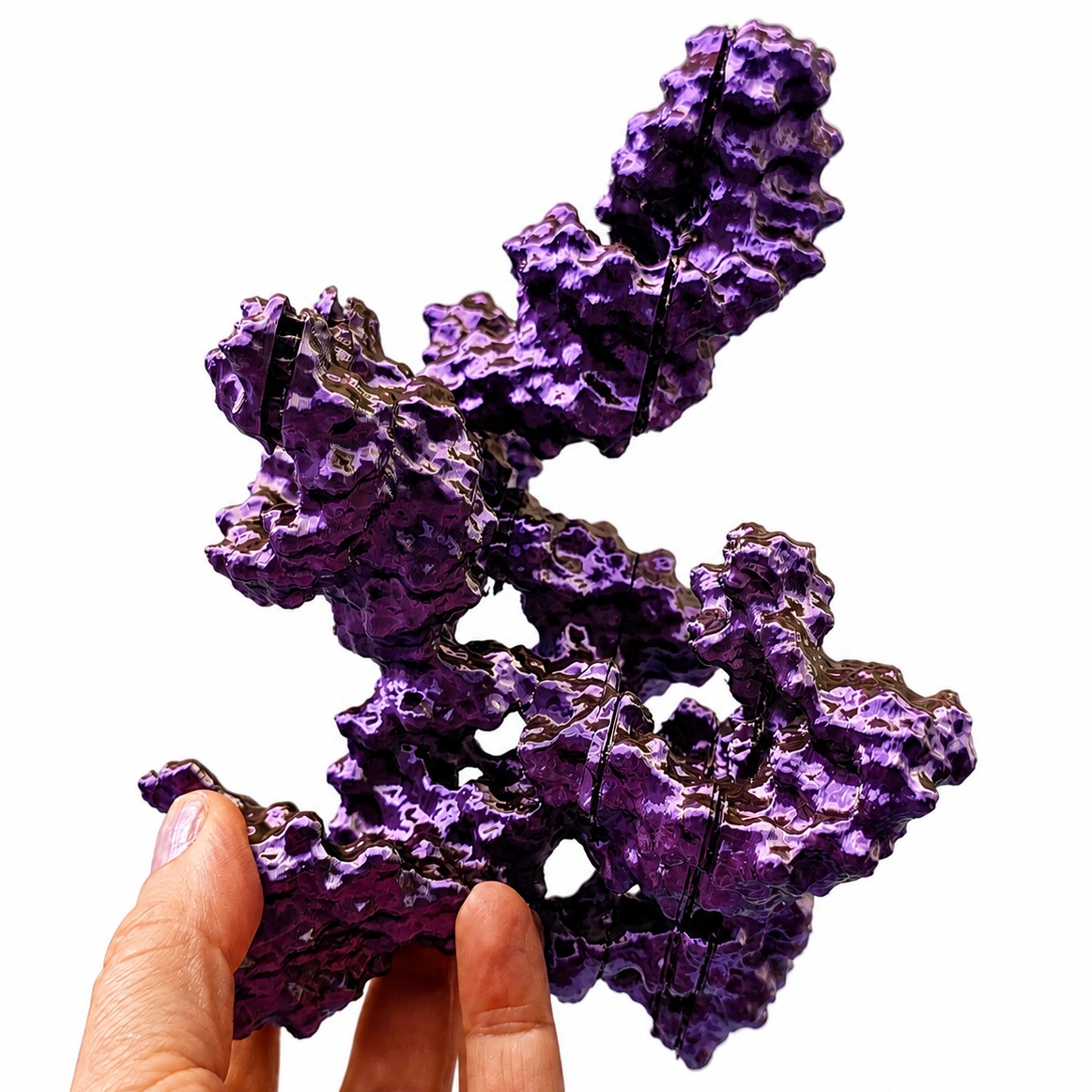
Memory Molecule no 8
Sample 1: For the sample, compost produced using an innovative method was employed, combining waste materials from agri-food industries and greenery maintenance. In particular, it includes three types of raw materials:
Grape pomace – residues from wine production, after the extraction of residual alcohol (used to produce grappa, the famous Italian distillate, or for biofuel or denatured alcohol), tartaric acid, polyphenols, and seeds.
Residues from agri-food industries – such as peels and exhausted pulp from fruit and vegetables, as well as vegetable scraps like overripe fruit.
Material derived from the maintenance of ornamental greenery.”
We collected: 🟩90 Adenine, 🟨8 Cytozine, 🟥25 Uracil and 🟦11 Guanine:
The samples was sourced of a big garden center in Germany and is used for sowing and propagating cuttings and it includes plant materials from horticulture and landscaping (green waste compost).
We collected: 🟩83 Adenine, 🟨14 Cytozine, 🟥11 Uracil and 🟦7 Guanine